Broken and Healed·2 of 7

Kintsugi

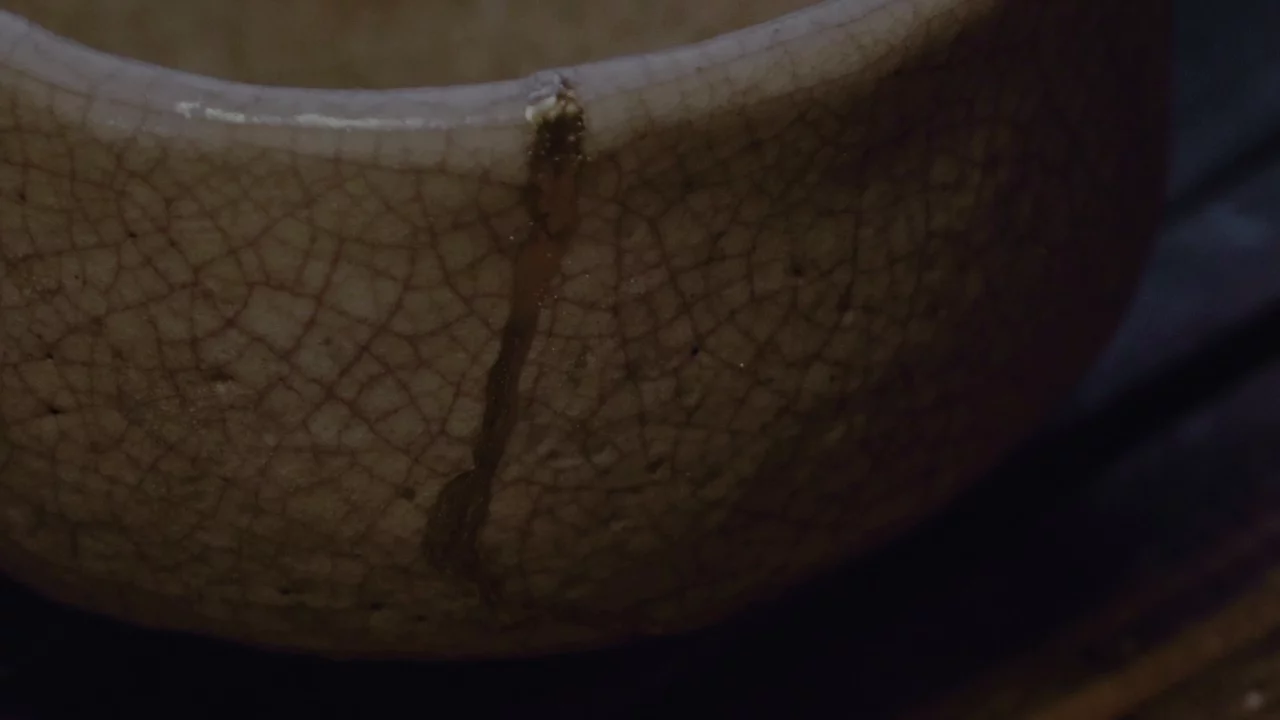
Through the art of kintsugi, repairing broken pottery with gold, this story reveals how brokenness can become a place of beauty and hope.

Ask yours

Bible Quotes

Share
Isaiah 61:3

to console the mourners in Zion — to give them a crown of beauty for ashes, the oil of joy for mourning, and a garment of praise for a spirit of despair. So they will be called oaks of righteousness, the planting of the Lord, that He may be glorified.

Berean Standard Bible

Public Domain

Read more...
2 Corinthians 12:9

But He said to me, “My grace is sufficient for you, for My power is perfected in weakness.” Therefore I will boast all the more gladly in my weaknesses, so that the power of Christ may rest on me.

Berean Standard Bible

Public Domain

Read more...
Psalm 147:3

He heals the brokenhearted and binds up their wounds.

Berean Standard Bible

Public Domain

Read more...
Romans 8:28

And we know that God works all things together for the good of those who love Him, who are called according to His purpose.

Berean Standard Bible

Public Domain

Read more...
Isaiah 64:8

But now, O Lord, You are our Father; we are the clay, and You are the potter; we are all the work of Your hand.

Berean Standard Bible

Public Domain

Read more...
Free Resources

Want to understand the Bible more deeply?

Join our Bible study

Transcript

English
- The world is predicated upon mending what is broken, and this reality of how this kintsugi bowl is more valuable than the original, really speaks to the restorative, redemptive process, of the Gospel. [Music] Kintsugi is this art form of mending broken shards of pottery. Kin means gold and tsugi means to mend. So you are reconnecting the broken pieces, but doing it in a way that is, that is beautiful. And, it's an art form of its own. Kintsugi speaks about conditions of trauma and brokenness. Ground zero conditions. Valuing what you have, rather than this disposable culture. Kintsugi is not just fixing, but it's creating into an opportunity of brokenness. And so that is a redemptive journey. That leads to new creation. Kintsugi concept can be applied in many different ways. So we say it’s like we fix the soil, which means not to restore the soil, but to mend it. So, you add the elements to it that makes the soil come alive. So when you plant something in there, it thrives. That's an interesting parallel, because understanding the health of the Earth really has elements of kintsugi in it. Creator minds fix upon these traumatic events in history. If you removed all of the novels and art forms that came directly out of trauma, you would lose 80% of the world’s art. You would not have Hemingway. You would not have J.D. Salinger. You would not have Dante, you would not have Milton. The world would be decimated. It's a very significant way of understanding art and literature. And, more importantly, our communities, and it’s a way of processing the past, finding healing, to be able to sow seeds of hope in the midst of conflict. We tend to want to run away from these conflicts and traumas, but it is the very heart of what the arts represent. Kintsugi reminds us that sometimes instead of throwing away things of the past, that it's good to work, to mend, and to do it beautifully. To me, how the gospel reads is Christ came not just to fix us, but to restore us, to create something new, which is more valuable than what we began with.
JesusFilm