Mối Quan Hệ·22 trong 37

2. Chúa Giê-xu, Đấng Nhân Từ Tha Thứ

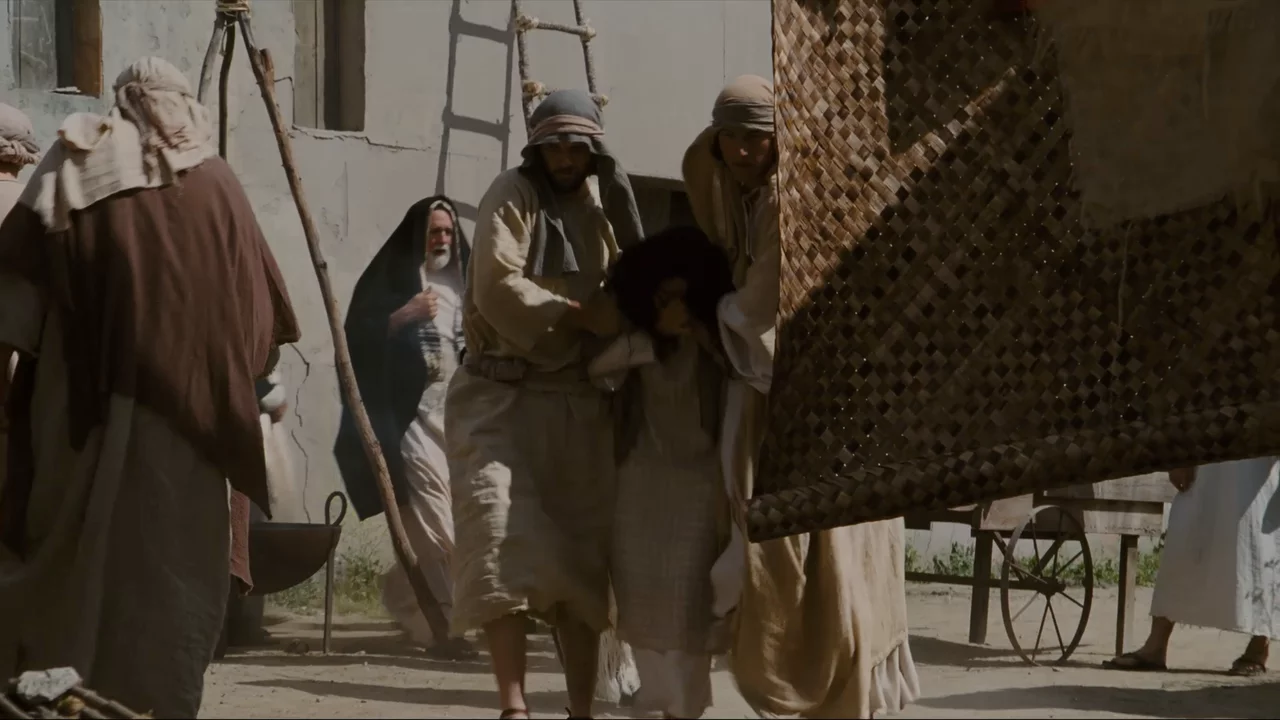
Ngài có tha thứ cho tôi không? Một người đàn bà phạm tội ngoại tình tìm được sự tha thứ thay vì sự đoán phạt. Bạn có biết theo văn hóa thời Chúa Giê-xu, ngoại tình là một tội hình sự không? Khi những người lãnh đạo tôn giáo mang người đàn bà này đến trước mặt Chúa Giê-xu, họ đang thử Ngài. Thay vì lên án người đàn bà đó vì tội lỗi của bà, Chúa Giê-xu lại tha thứu cho bà. Khi Chúa Giê-xu bảo ai chưa từng phạm tội thì hãy trước hết ném đá bà đi, thì những người lãnh đạo tôn giáo được nhắc nhở rằng họ cũng là tội nhân.

Câu hỏi của bạn

Câu Kinh Thánh

Chia sẻ
John 8:1-11

But Jesus went to the Mount of Olives. Early in the morning He went back into the temple courts. All the people came to Him, and He sat down to teach them. The scribes and Pharisees, however, brought to Him a woman caught in adultery. They made her stand before them and said, “Teacher, this woman was caught in the act of adultery. In the Law Moses commanded us to stone such a woman. So what do You say?” They said this to test Him, in order to have a basis for accusing Him. But Jesus bent down and began to write on the ground with His finger. When they continued to question Him, He straightened up and said to them, “Let him who is without sin among you be the first to cast a stone at her.” And again He bent down and wrote on the ground. When they heard this, they began to go away one by one, beginning with the older ones, until only Jesus was left, with the woman standing there. Then Jesus straightened up and asked her, “Woman, where are your accusers? Has no one condemned you?” “No one, Lord,” she answered. “Then neither do I condemn you,” Jesus declared. “Now go and sin no more.”

Berean Standard Bible

Public Domain

Đọc thêm...
Tài liệu miễn phí

Bạn muốn hiểu Kinh Thánh sâu hơn?

Tham gia học Kinh Thánh
JesusFilm