JESUS·17 of 61

Parable of the Sower and the Seed

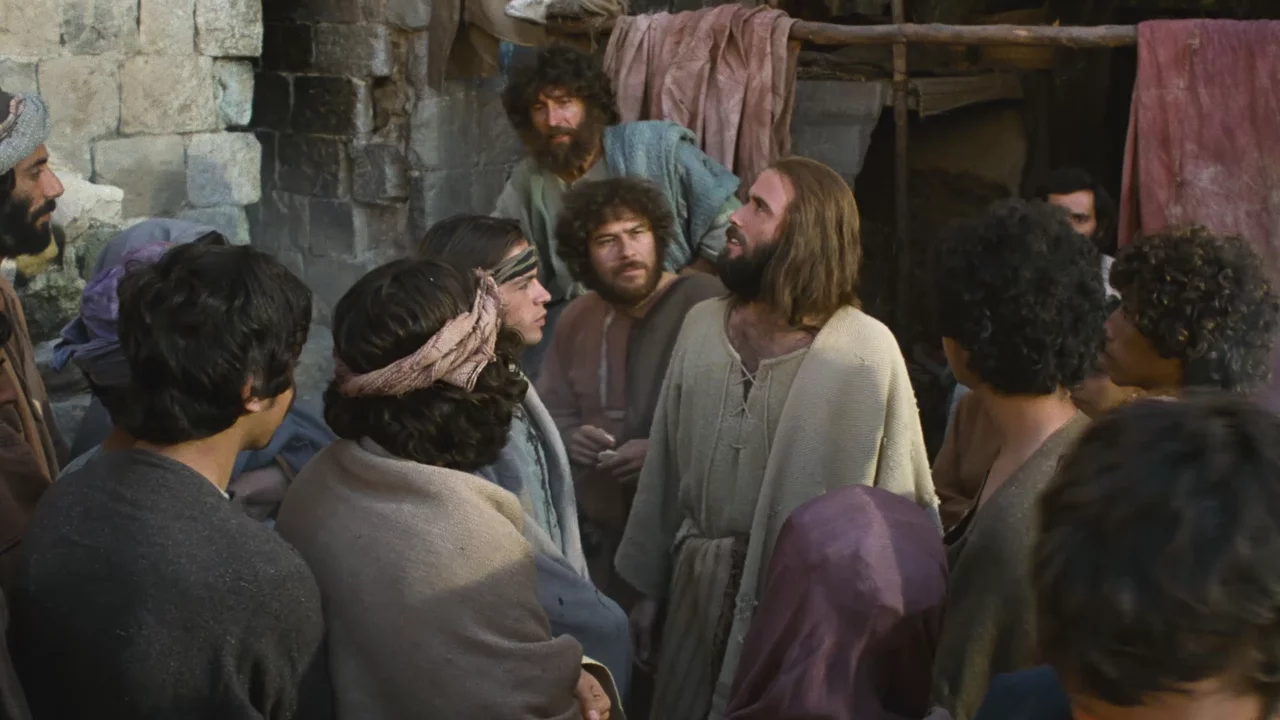
The crowds press in on Jesus as He walks and teaches. He tells a parable of someone sowing seeds of grain in a field. The seed falls in a number of places, each representing something to the crowd. A disciple asks Jesus why He speaks in parables. Jesus explains the parable to the disciples. The seed that's scattered is the Word of God.

Ask yours

Bible Quotes

Share
Luke 8:4-15

While a large crowd was gathering and people were coming to Jesus from town after town, He told them this parable: “A farmer went out to sow his seed. And as he was sowing, some seed fell along the path, where it was trampled, and the birds of the air devoured it. Some fell on rocky ground, and when it came up, the seedlings withered because they had no moisture. Other seed fell among thorns, which grew up with it and choked the seedlings. Still other seed fell on good soil, where it sprang up and produced a crop — a hundredfold.” As Jesus said this, He called out, “He who has ears to hear, let him hear.” Then His disciples asked Him what this parable meant. He replied, “The knowledge of the mysteries of the kingdom of God has been given to you, but to others I speak in parables, so that, ‘though seeing, they may not see; though hearing, they may not understand.’ Now this is the meaning of the parable: The seed is the word of God. The seeds along the path are those who hear, but the devil comes and takes away the word from their hearts, so that they may not believe and be saved. The seeds on rocky ground are those who hear the word and receive it with joy, but they have no root. They believe for a season, but in the time of testing, they fall away. The seeds that fell among the thorns are those who hear, but as they go on their way, they are choked by the worries, riches, and pleasures of this life, and their fruit does not mature. But the seeds on good soil are those with a noble and good heart, who hear the word, cling to it, and by persevering produce a crop.

Berean Standard Bible

Public Domain

Read more...
Free Resources

Want to understand the Bible more deeply?

Join our Bible study

Transcript

Cabecar
Däli tkäk ekla mineju̱ idäli wä tuläk. Jera iwä sha̱ jolona ñala ki̱, jewa wätunacha̱wa̱, jera du dejulu te ikatacha̱wa̱. Sha̱ jolona jak yäkä na. je tsikinaka̱ ra, issi̱nacha̱wa̱ni, ka ka̱ rä chi̱i̱ kuna ki̱ka. Sha̱ jolona dika yäkä na, Jewa kibina tulaka̱ dika yäkä ra, ata iki̱tenacha̱wa̱. Sha̱ jolona ishäkä bäi ki̱ka, je kibina ra, iwäna baa cien cien käi. Sapaktäk, ¿Jiye ba ktäke̱ ijewa ra jile she ja̱mi ebä wà rä na? Bas ia̱ ka̱ me̱na Säkeklä gobierno ktei blelewa̱ ju̱ñakläwa̱. Ta ijewa ra yis ktäke̱ rä jile she ja̱mi ebä wà, je rä ite isu̱a ra ka iwäna ijuenaklä, ite issa ra ka ijewa je̱r na idäklä. Je jì pakaje̱ jile she ja̱mi wà rä jikäi: Säkeklä ktä ne rä je däli wä rä. Je ijolona ñala ki̱, jewa ne rä kte ssäk wa rä ata je ukä ska ra be tsa̱ku̱i däke̱ju̱ te kte tse̱ju̱eke̱mi ije̱r ska, ka iwa̱ ikukäklä itsa̱tkenakläksa̱ ye. Je ijolona jak yäkä na, jewa ne rä manele te kte ssa ra, jewa te ikuke je̱r baa wà rä, ta ka irä ñak kicha ta, je ki̱ ite ikukemi elkje bala ta ta mika̱ imabler su̱rke̱ ra ite ijerawa̱. Je ijolona dika yäkä na jewa ne rä manele te kte ssëke̱ rä, ta jì tso̱ sa̱ je̱r iawa̱k käi, blune käi, jì wà sä wäbätsä käi, je te je kte ki̱tieke̱wa̱ je ki̱ka ka iwär kuna. Ata je ijolona i̱shäkä bäi ki̱ka jewa ne rä manele kte ssäk je̱r bäi wà, je̱rike bulee wà wa rä, jewa te je kte wawe̱ke̱, ichatkäke̱wa̱ därërë wà iwärke̱ bäi.
JesusFilm