JESUS17 amin'ny 61

Parable of the Sower and the Seed

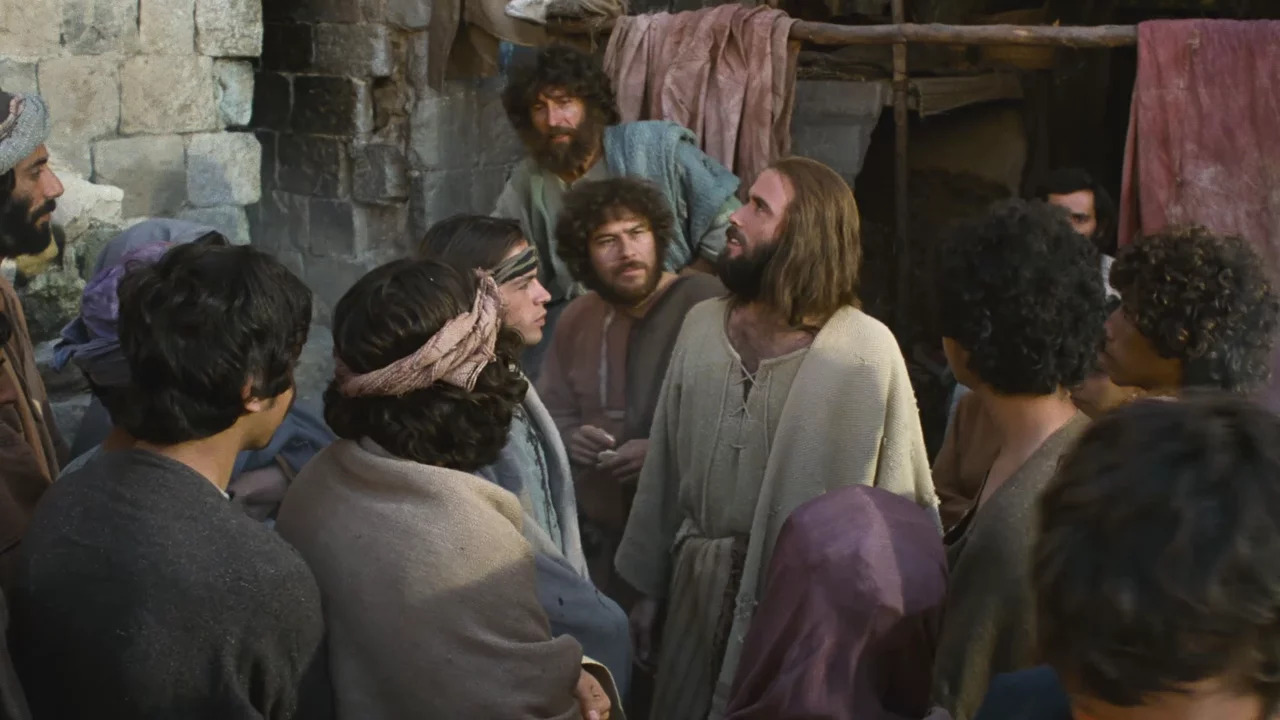
The crowds press in on Jesus as He walks and teaches. He tells a parable of someone sowing seeds of grain in a field. The seed falls in a number of places, each representing something to the crowd. A disciple asks Jesus why He speaks in parables. Jesus explains the parable to the disciples. The seed that's scattered is the Word of God.

Apetraho ny anao

Teny nalaina avy amin'ny Baiboly

Zarao
Luke 8:4-15

While a large crowd was gathering and people were coming to Jesus from town after town, He told them this parable: “A farmer went out to sow his seed. And as he was sowing, some seed fell along the path, where it was trampled, and the birds of the air devoured it. Some fell on rocky ground, and when it came up, the seedlings withered because they had no moisture. Other seed fell among thorns, which grew up with it and choked the seedlings. Still other seed fell on good soil, where it sprang up and produced a crop — a hundredfold.” As Jesus said this, He called out, “He who has ears to hear, let him hear.” Then His disciples asked Him what this parable meant. He replied, “The knowledge of the mysteries of the kingdom of God has been given to you, but to others I speak in parables, so that, ‘though seeing, they may not see; though hearing, they may not understand.’ Now this is the meaning of the parable: The seed is the word of God. The seeds along the path are those who hear, but the devil comes and takes away the word from their hearts, so that they may not believe and be saved. The seeds on rocky ground are those who hear the word and receive it with joy, but they have no root. They believe for a season, but in the time of testing, they fall away. The seeds that fell among the thorns are those who hear, but as they go on their way, they are choked by the worries, riches, and pleasures of this life, and their fruit does not mature. But the seeds on good soil are those with a noble and good heart, who hear the word, cling to it, and by persevering produce a crop.

Berean Standard Bible

Public Domain

Vakio bebe kokoa...
Loharano maimaim-poana

Te hahatakatra lalindalina kokoa ny Baiboly ve ianao?

Midira amin'ny fianarana Baiboly miaraka aminay

Dikanteny an-tsoratra

Malagasy (Fiteny Malagasy)
Nivoaka ny mpamafy hamafy ny voa. Ary raha namafy izy, ny sasany dia voafafy teny amoron-dàlana ka voahitsakitsaka, ary dia lanin’ny voro-manidina. Ny sasany dia voafafy teny ambonin’ny vatolampy, ary raha vao naniry izy, dia nalazo; satria tsy nisy mandomando. Ary ny sasany dia voafafy teny amin’ny tsilo, ary ny tsilo niara-naniry taminy, dia nangeja azy. Ary ny sasany dia voafafy teny amin’ny tany tsara, dia naniry ka namoa, zato heny. Mpampianatra o, nahoana no fanoharana no itenenanao rehefa anaty vahoaka? Lanareo no navela hahalala ny zava-miafina ny amin’ny fanjakan’ Andriamanitra. Fa amin’ny olon-kafa dia fanoharana, mba hijery izy, fa tsy hahita, ary hahare, fa tsy hahafantatra. Izao no hevitry ny fanoharana: Ny voa dia ny Tenin’ Andriamanitra. Ireo teny amoron-dàlana dia izay mandre, nefa avy ny devoly ka manaisotra ny teny ao am-pony, fandrao hino izy ka hovonjena. Ireo teny ambonin’ny vatolampy dia izay mandre sady mandray ny teny amin’ny hafaliana, nefa tsy manam-paka ireo, fa mino vetivety ihany. Koa amin’izay andro isehoan’ny fakam-panahy, dia mihemotra izy. Ireo latsaka teny amin’ny tsilo dia izay mandre, fa voagejan’ny fiahiahiana sy ny harena ary ny fahafinaretan’izao fiainana izao, ka tsy mahavanom-boa. Fa ireo teny amin’ny tany tsara kosa dia izay mandre ny teny amin’ny fo sady marina no tsara, dia mitana azy ka mamoa amin’ny faharetana.
JesusFilm