
Taking the Gospel Further Together: How Renew is Making JESUS Accessible

Related Posts
Subscribe To Our Weekly Newsletter
Sign up for our weekly newsletter, Jesus Film Project News, to receive encouraging stories, videos and resources in your inbox.
I spend a lot of time with my headphones on. Living as an introvert in a major city, headphones drown out the noise when it becomes intolerable. I have no car but plenty of places to go, so I spend a lot of time commuting––often the only time I have to myself.
I always have music, audiobooks or an audio Bible ready for long train commutes. I look forward to this time alone with no responsibilities. Last week I had one of those long trips. I knew I’d be on the train at least two hours so I planned accordingly. I mapped my commute, downloaded my favorite playlist and a new audiobook. I was ready.
Then I boarded the train and opened my bag. My heart sank as I realized I’d left my headphones at home. What good were all my preparations now? I had so many things to listen to and no way to access them.
That day I was reminded that having access to resources changes everything. And for many isolated communities, even a film as life-changing as JESUS can’t make an impact if there’s no way to watch it.
So how does the gospel reach places with no electricity, no internet, no access?
When Partnership Overcomes Barriers
Sharing the message of Jesus everywhere comes with real challenges. We need to consider obstacles before we even take into account technology. Many people don’t have the Bible in their own language or can’t read it even if they do.
Geography can also make access to the gospel difficult, especially if places are unsafe or simply hard to reach. Even when those barriers are resolved, limited access to electricity and the internet can restrict the types of gospel resources we can share with people living in remote areas.
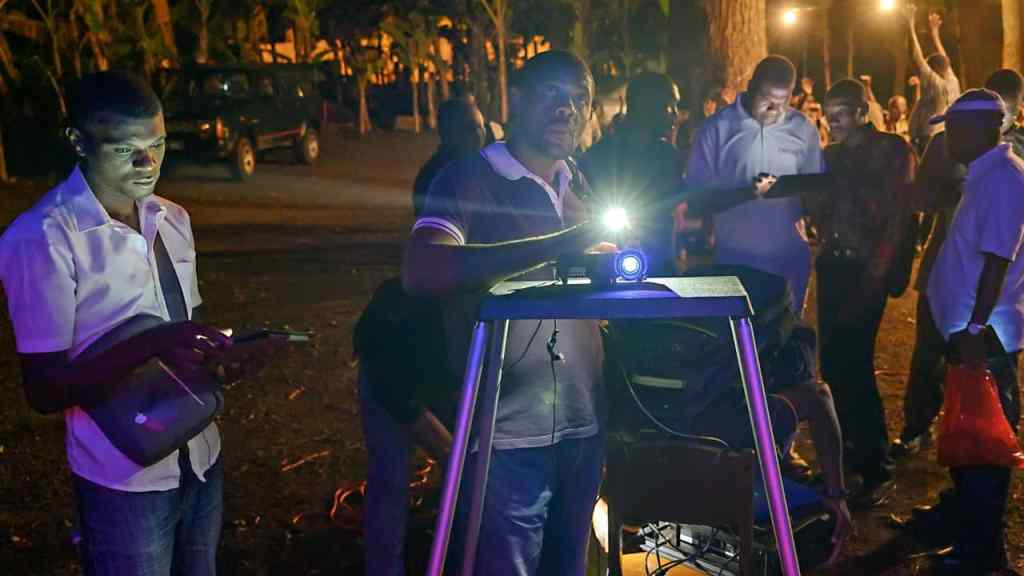
That’s why many missionaries transport projectors, screens and generators while trekking through dense jungles or rowing across perilous rivers, to take the story of Jesus to those who have never heard of Him before. It is inspiring work, but it is also difficult and at times impossible work when communities are devoid of gospel resources.
That’s where innovation meets mission.
Jesus Film Project® helps fulfill the Great Commission by providing gospel resources in over 2,000 languages. But it’s our partners who get those resources to the ends of the earth. They give everyone, everywhere, access to the message of the gospel.
Meet Renew Outreach
So how would a remote people group living in villages with no internet or electricity and where setting up viewing equipment isn’t feasible have an opportunity to watch the JESUS film?
That was David Palusky’s question in 1998 when he traveled deep into the Peruvian Amazon to share the gospel with the Urarina tribe. He realized there were major barriers: resources in the tribe’s native language.
David was a committed missionary, but his background was in engineering not translation.
So, he reached out to Wycliffe Bible Translators and, together with Jesus Film Project, they created the JESUS film in the Urarina language.
Another challenge, however, remained. At the time, projectors and generators were heavy. Carrying them through the jungle would be cumbersome and problematic.
David didn’t give up. He used his engineering skills to find a solution. He designed solar-powered equipment that could be used to show the film. The best part: it all fit into a single backpack. This “movie theater in a backpack” made it possible to share the story of Jesus anywhere, even in places without electricity or internet.
David was a committed missionary, but his background was in engineering not translation.
That innovation became the foundation for Renew Outreach, a ministry focused on equipping the global church with tools and technology to share Jesus with the hardest-to-reach places on earth.
Beyond a backpack
Since the start of Renew, we at Jesus Film Project have been working together toward the same mission: taking the story of Jesus to everyone, everywhere.
Today, Renew has grown from that backpack kit to devising many other tools. They develop strategies that meet both spiritual needs and physical ones allowing believers to show up in the midst of crisis to show Christ’s love.
Zimbabwe’s drought
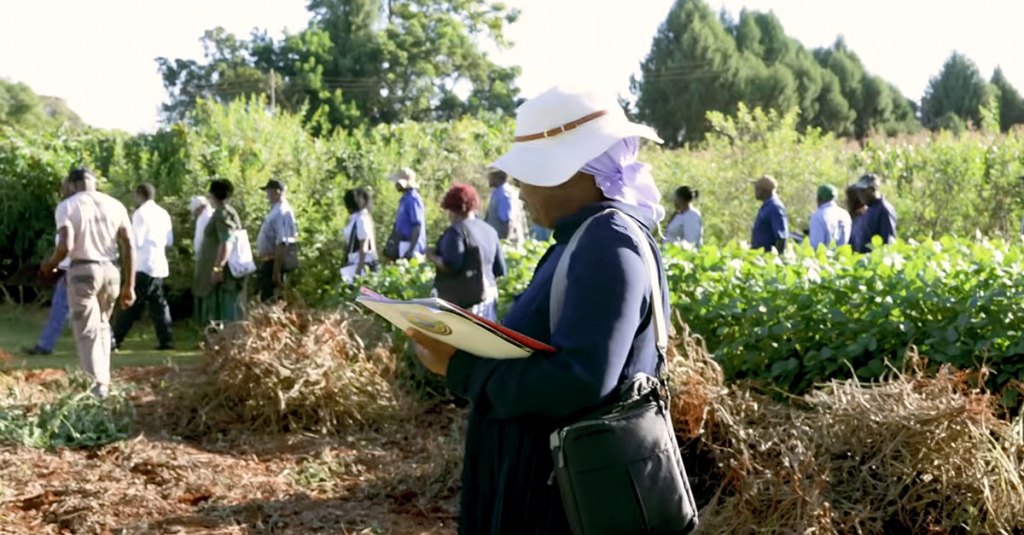
In rural Zimbabwe, government agriculturists gathered for a demonstration about soil erosion. By the end of the demonstration, approximately 300 men and women had experienced a revival … and not just a valuable education in farming. Even more valuable, they came to know Christ and gave their lives to Jesus.
Just months earlier, a drought hit the country. Crops were failing, farmers were struggling and families across the country faced food shortages. It was a national crisis. Government workers were searching for answers when they found a farming village that was thriving. The difference? These farmers were using biblical principles to farm and use their land.
A local ministry, Foundations for Farming, had been teaching people to farm God’s way. What they were teaching transformed not just land, but lives also. The government of Zimbabwe made the decision to use their training nationwide.
The next challenge was similar to David Palusky’s. How do you train millions of people in remote areas with no internet?
More than a farming solution
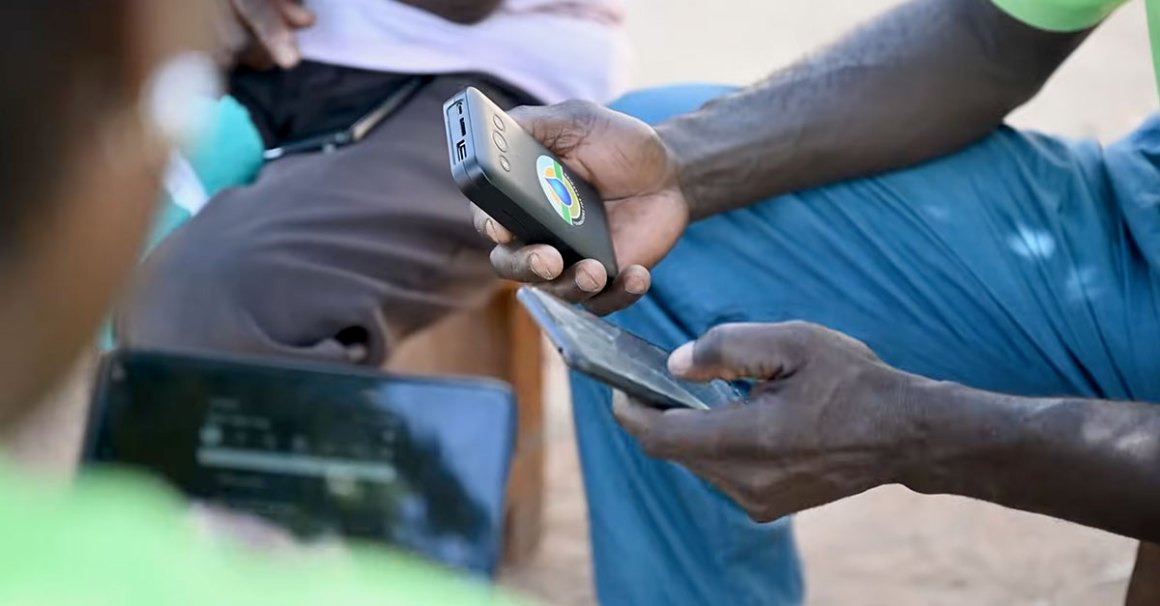
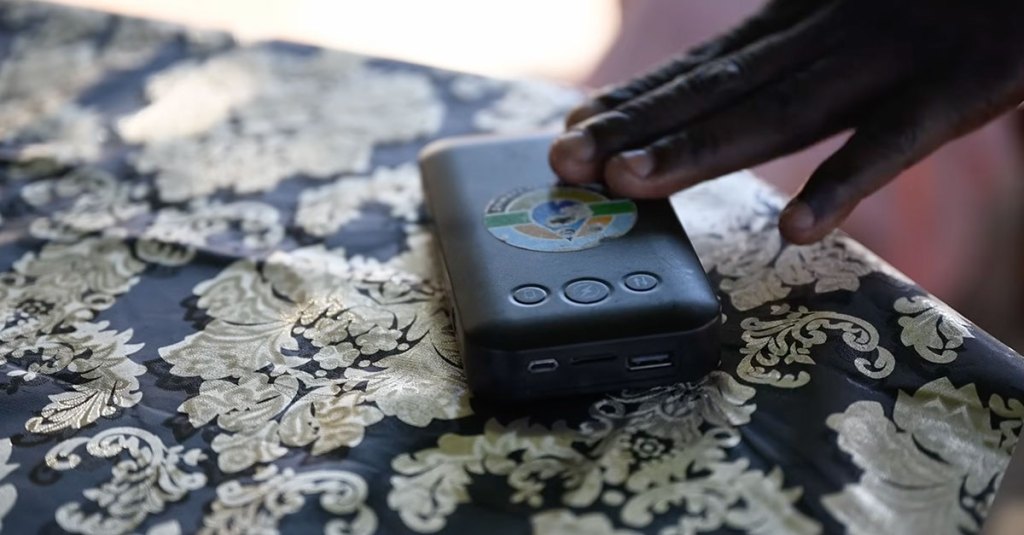
Renew had a solution. They created a device that could be used to share this critical farming training in remote areas. Their device, called the LightStream, operates like a Wi-Fi hotspot and is pre-loaded with digital resources.
The training from Foundations for Farming was loaded onto the LightStreams. But that wasn’t all that was added to the devices. Alongside the training, were films and resources from various ministries, including Jesus Film Project.
The device allows phones in the most remote villages to access digital resources, even when the internet is unavailable.
The life-changing truth of Jesus became accessible, right from their phones.
Not only that, but those 300 men and women returned to their communities with agricultural solutions and with LightStream devices ready to share Jesus with others. Through simple technology and faithful partnerships, the gospel is now reaching not just one group of farmers, but a whole nation!
Watch the full story in the 18-minute Documentary, Good Soil.
What Is Your Role?
We’re stronger together. No single ministry, missionary or believer can take on the Great Commission alone. It requires prayer partners, financial partners, translators, technology innovators, local leaders and faithful people who answer the call together.
1 Corinthians 12:12 says, “Just as a body, though one, has many parts, but all its many parts form one body, so it is with Christ” (New International Version). As believers, we aren’t meant to work alone. This applies to us as individuals, but it also applies to churches, organizations and ministry workers.
Consider this verse and prayerfully ask God what part you can play in the body of Christ?
- Perhaps you are passionate about prayer. You can dedicate yourself to pray with us for the least-reached nations, ministry work happening globally and for those who are seeking the truth of Jesus.
- If you want to use your resources to mobilize Great Commission work, consider partnering financially with Jesus Film Project and supporting the work of our staff and partners.
- Maybe you are looking for ways to actively share Jesus with others. We encourage you to explore our film library, app, and other resources to start faith conversations.
We need everyone, partnered together, using their strength, to take the message of Jesus to the ends of the earth.
When we each bring what we have, God uses us to reach people.
About the Author