
Evangelism Through Humanitarian Aid: Faith in Action

Related Posts

Subscribe To Our Weekly Newsletter
Sign up for our weekly newsletter, Jesus Film Project News, to receive encouraging stories, videos and resources in your inbox.
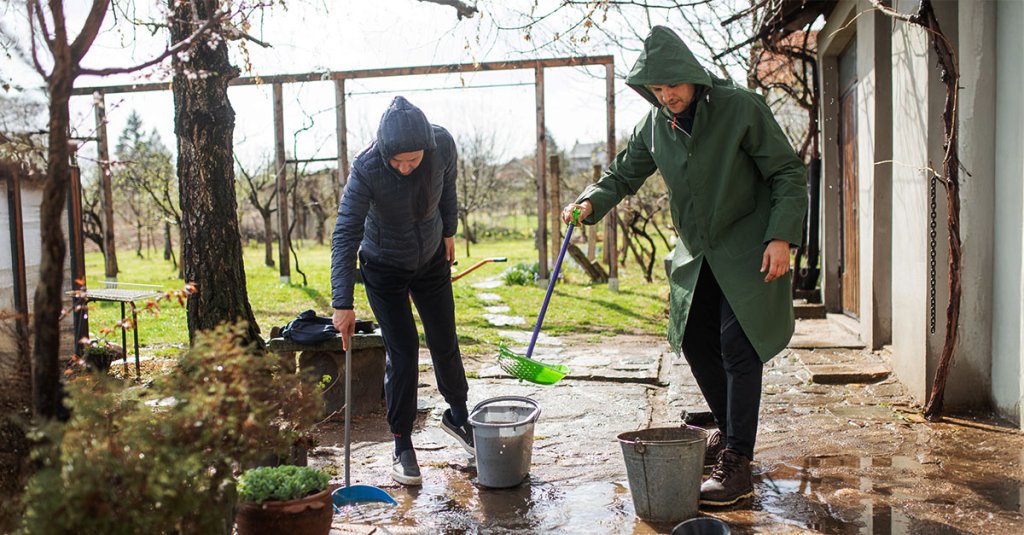
When Hurricane Katrina struck the city of New Orleans in Louisiana, it devastated 80% of the city. At the time, Deanna Kustus was a student at SUNY Brockport in upstate New York. She was invited to join a relief trip that Cru® was organizing during spring break.
Deanna reflects on her experience: “As we arrived in the beautiful city of New Orleans in 2007, we were faced with two realities. It was a strong, welcoming city full of life and culture, and yet it was also filled with families whose homes were still waiting to be gutted or whose whole lives had been tossed into a pile on their front lawn.
“It was painful to see the devastation, but incredible to have the opportunity to talk to people, hear their stories and be a part of providing free labor. It was an honor, even in a small way, to bring healing to the homes and hearts physically devastated by the hurricane.”
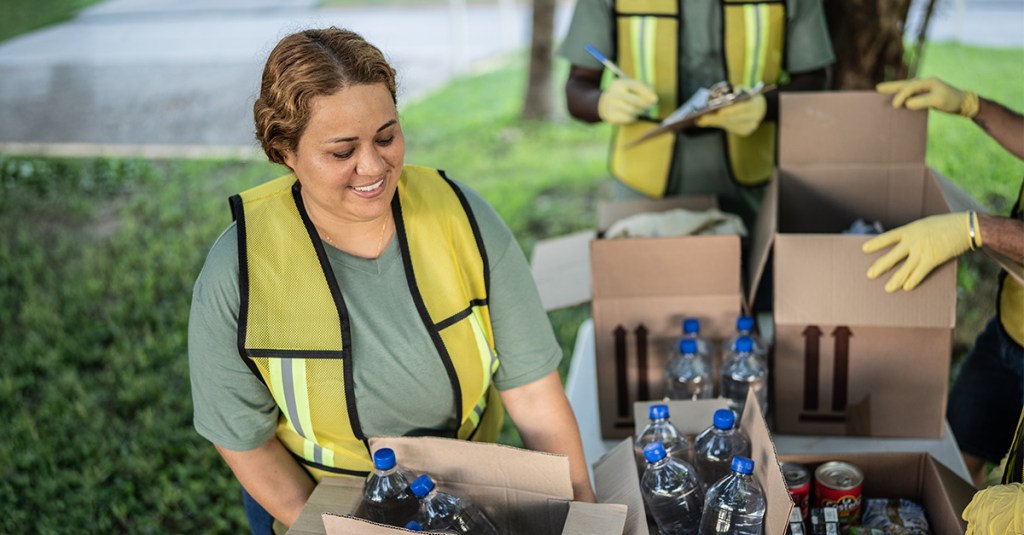
When we show up with food, clean water and care, we see doors open for the gospel. Evangelism through humanitarian aid lets us meet urgent needs while sharing Jesus with humility and respect.
As we build trust by serving others, honest conversations about faith follow naturally. We honor people’s dignity, invest in long-term change and point communities to Christ. We do this through presence, prayer and practical help. We’ve watched the spiritual impact through service transform lives and families.
Understanding Humanitarian Aid
Humanitarian aid is our response to crises and deep need. Through it, we aim to save lives, reduce suffering and protect dignity.
Longer-term efforts help make our aid sustainable. These include job training, strengthening healthcare systems and disaster readiness. When we frame evangelism through humanitarian aid in this way, we bring the compassion of Jesus and the gospel message.
Cru’s humanitarian ministry, called Unto®, serves with the goal to meet physical needs as well as give people the opportunity to respond to the gospel. They include multiple programs for aid:
You can read more about Unto and efforts to create sustainable aid here. Unto often provides food, clean water and shelter. Other humanitarian services might include protection, education, medical care and mental health support.
We believe good aid should be ethical, impartial and community-led. We serve and listen to local voices, prioritizing the most urgent needs like food, water and shelter.
Disaster relief doesn’t depend on being involved in Christian activities. It is a demonstration of God’s love and care with no strings attached. As Christians, we offer both disaster relief and spiritual input. While they go hand in hand, if a person only wants to receive aid, they aren’t required to attend our evangelistic events.
In disasters and conflict, we coordinate quickly and well. Using the example of Deanna Kustus in New Orleans, Cru saw an urgent need and quickly organized groups of students and volunteers to go and offer assistance. Students changed their spring break plans to go and help. This type of trip isn’t the norm for Cru as a campus ministry, but where there was a need, they went as soon as they were able.
As recovery begins, aid groups continue investing in the community. We might offer ongoing training in community gardening or ongoing faith communities through local churches. Faith-based humanitarian efforts can plant spiritual seeds that last.
Evangelical aid programs that partner locally often create pathways for sustainable growth. This growth comes in many forms. It may be in the form of a garden that continues to produce fruits and vegetables. It may be in the form of spiritual growth, as people in the community attend the local church. It may be in the form of community growth, where neighbors get to know one another through helping each other.
Where Faith Meets Service
Scripture calls us to love people in tangible ways. Jesus fed the hungry and healed the sick. As His followers, we are meant to follow His example.
Bible Verses that encourage us to practice mercy ministry
Matthew 25:35-40, New International Version
“For I was hungry and you gave me something to eat, I was thirsty and you gave me something to drink, I was a stranger and you invited me in, I needed clothes and you clothed me, I was sick and you looked after me, I was in prison and you came to visit me. Then the righteous will answer him, ‘Lord, when did we see you hungry and feed you, or thirsty and give you something to drink? When did we see you a stranger and invite you in, or needing clothes and clothe you? When did we see you sick or in prison and go to visit you?’ The King will reply, ‘Truly I tell you, whatever you did for one of the least of these brothers and sisters of mine, you did for me.’”
Isaian 1:17, NIV
“Learn to do right; seek justice. Defend the oppressed. Take up the cause of the fatherless; plead the case of the widow.”
James 1:27, NIV
“Religion that God our Father accepts as pure and faultless is this: to look after orphans and widows in their distress …”
Matthew 5:16, NIV
“In the same way, let your light shine before others, that they may see your good deeds and glorify your Father in heaven.”
Local churches often mobilize quickly in storms and conflict, stemming from their deep concern for the community. Mission trips and humanitarian work become bridges to ongoing discipleship. Ministries like Unto partner with non-govermental organizations (NGOs) to deliver clean water and medical clinics. An NGO is an independent organization that works to help people or communities, often through humanitarian aid.
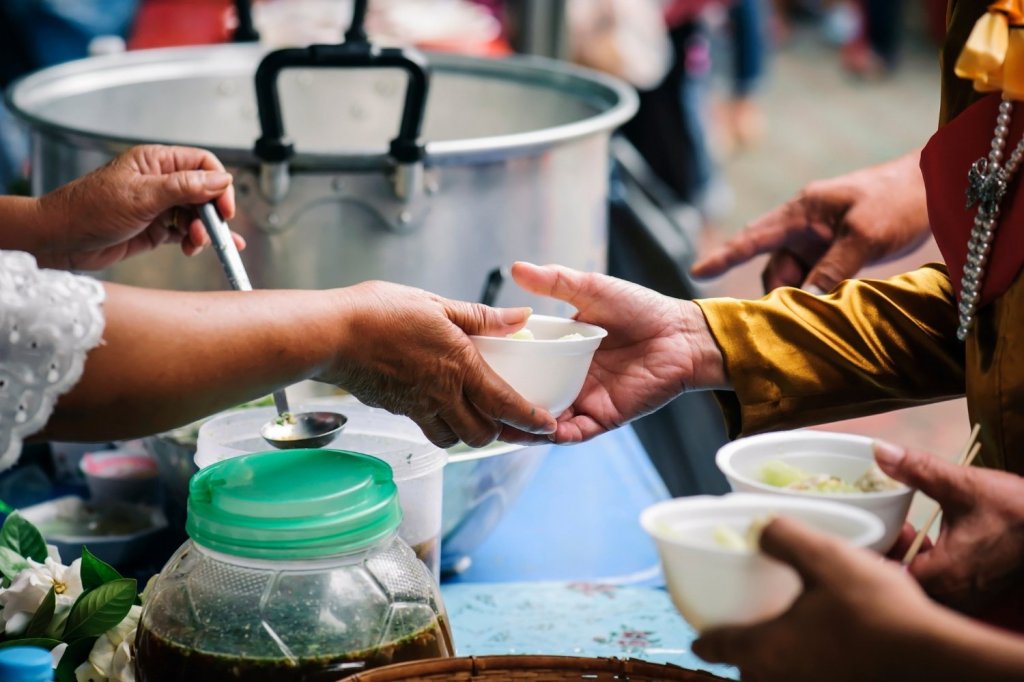
Faith-based humanitarian efforts flourish when local leaders guide the work. In those moments, the spiritual impact through service becomes visible. People’s hope grows, their trust for others in their community deepens and they encounter the love of Jesus.
When people whose lives have crumbled due to disaster receive aid, they can recognize God’s provision in their lives. Aid workers can thoughtfully use that moment as a bridge to share the gospel, when appropriate. Evangelism becomes a possibility once we have met the humanitarian needs of the individual.
Practical Ways We Combine Evangelism and Aid
We start with people first, serving without conditions or pressure. We respect religious freedom, protect choice and share our faith with gentleness.
We listen and design solutions with the community’s input. We build partnerships with trusted local leaders. Mission trips and humanitarian work strengthen what God is already doing in that community.
Unto pairs compassionate service with simple, open paths for discipleship. A clean water project might include hygiene training and small-group Bible study in the heart language.
Evangelism through humanitarian aid lets us meet urgent needs while sharing Jesus with humility and respect.
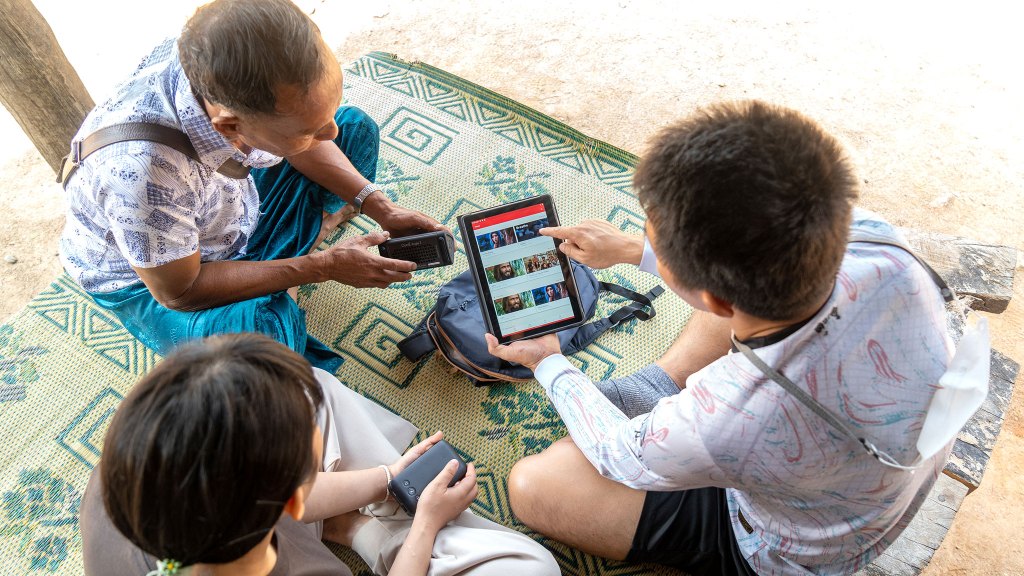
Disaster response can include trauma care, prayer and Christian storytelling. Many Christian humanitarian aid ministries like Unto use Jesus Film Project® resources to help people connect with Christ in ways they understand. Through evangelical aid programs, Christian service projects become spaces for conversation and growth.
Training Before Your Trip
As you lead humanitarian aid trips, be intentional about equipping your team with quality preparation. It’s important that you train your group in humanitarian principles, cross-cultural skills and trauma-informed care.
Humanitarian principles
Humanitarian principles are the core values that guide how we serve others in times of crisis.
Humanity is the foundation of all humanitarian work. The purpose of aid is to prevent and alleviate human suffering wherever it is found. As Christians, we have the amazing opportunity to engage in this work of alleviating suffering alongside other believers.
Impartiality means that aid is given based solely on need, without discrimination. There is no favoritism based on race, religion, nationality, gender, politics or social status. If everyone has been through the same disaster, whether it was a war or a hurricane, then everyone should have access to the same aid.
We also note that in the Bible, Jesus offered grace to all, not just to the rich or the poor, but to everyone. In Acts 10:34-35 it says “God does not show favoritism but accepts from every nation the one who fears him and does what is right.”
Cross-cultural skills
Cross-cultural service begins with cultural humility. By this I mean a willingness to listen, observe and learn before acting. Rather than assuming we understand a community’s needs, approach with curiosity and respect, recognizing that we are entering someone else’s story.
When communicating across cultures, we must pay close attention to nonverbal cues and speak clearly and simply. We should also rely on local interpreters and leaders to help us understand both the words being said and the meaning behind them.
Finally, learn to be flexible and aware of the culture around you. When plans change, adjust with patience and respect local customs and leaders. We want to act in ways that honor the community while staying true to our values.
Learn more about cross-cultural evangelism here.
Trauma-informed care
Remember that the people we serve may have experienced extreme stress, loss or violence. It’s important for us to approach everyone we serve with patience and empathy.
On a humanitarian aid trip, we want to avoid actions or questions that might retraumatize someone. Instead, we prioritize listening and respect boundaries.
It also involves being aware of our own reactions and maintaining calm, supportive behavior. By staying mindful of trauma, we help create an environment where people feel respected, seen and cared for.
Jesus’ Call on Our Lives
Jesus said, “You shall love your neighbor as yourself” (Mark 12:31, NIV). When compassion and clear witness meet, communities experience relief now and lasting hope.
Evangelism through humanitarian aid keeps our focus on people and points them to Jesus. As we keep showing up through faith-based humanitarian efforts and Christian service projects, spiritual impact through service will continue to grow.
So what can you do next? Is there a humanitarian aid trip you could go on with your church? My daughter is raising funds to go to Africa with our church where she will work at an orphanage. Unto offers some opportunities to volunteer and donate to aid. You could also read Unto’s blog page with stories of aid around the world.
Unto works with a group called Filters of Hope that brings water filters to people without access to clean water. You could give to that organization, or consider going on a trip with them.

About the Author