
Partnering Through Doubt: Henry’s Story

Related Posts


Subscribe To Our Weekly Newsletter
Sign up for our weekly newsletter, Jesus Film Project News, to receive encouraging stories, videos and resources in your inbox.
When we’re children, our family culture tends to shape our behavior and beliefs. These beliefs often linger into adulthood, but God uses everything for His glory.
Henry recently told us about his trips to Honduras and Argentina with other Jesus Film Project staff members. There, God led him to a pretty significant change of heart and to shift away from beliefs he held growing up that inaccurately shaped his understanding of the body of Christ—particularly Christian brothers and sisters from other denominations.
That shift marked the start of a meaningful trip during which, with the help of partners, he was able to help screen Magdalena and share the Jesus Film Project® app in several towns in Honduras and Argentina. It led to an understanding of the power of partnership in his own life.
Henry serves Jesus Film Project as one of its resident photographers. We’ve changed his name here to protect his identity as he frequently travels to beautiful but risky places around the world.
We hope you’re blessed by Henry’s story.
Wary Wonderings
How’s this going to work? I thought.
Earlier this year, I traveled to Honduras with a small Jesus Film Project team. Our goal? To use Jesus Film Project® media and the smartphone app to equip the Honduran Episcopal church’s clergy and lay staff for evangelism. While trip leaders were upbeat about the week, I arrived with a mild dose of “isms”—cynicism, pessimism and skepticism.
My wariness was personal. Both my parents were raised as Episcopalians, largely by their mothers, and were married in the church. I was baptized Episcopalian as well. But my parents had distanced themselves from faith. My mother identified as a deist, and my father, an atheist. They held to the church as a part of our family history, but not in personal practice.
For me, meeting Jesus didn’t happen all at once. My personal journey to Christ was a “One-Two-Three” spiritual transformation.
First, I had an epiphany after viewing the midnight stars, shimmering by God’s creation. Next, during my first year at college, I settled in on a dorm floor with Christians who patiently explained the gospel and answered my myriad questions. Finally, I came to fully trust Jesus while reading John 14:6, believing that He was indeed “the way, the truth and the life.”
When I returned home from college, I shared my newfound faith with my parents. I knew my father’s response to anything about Jesus would generally land on his distrust for the church, his belief in science, and his cynicism toward his religious past. His predictable responses didn’t change when I told him I was experiencing something different.
My wariness was personal.
Through the years, our ongoing “religious” conversations would end matter-of-factly. “We’re Episcopal,” my father would say, as kind of an ultimate sign off or his own personal mic drop. I found this a bit odd because we never went to church—ever—except for my baptism, my siblings’ baptisms and the occasional wedding.
Throughout high school, to me, the denomination equated to a few drops of water on my hairless, 2-month-old head and holiday-mealtime prayers. Being a Christian seemed to be more of a cultural thing than a personal experience.
When asked about his church upbringing, my father would recount his times as an acolyte or altar boy. He commented that, behind the scenes, his church leaders seemed disingenuous and their duties from the pulpit were merely part of a show. Dad’s reservations were clear.
My father’s lack of belief in God seemed more of an apathetic shrug than a defiant push back. But his response increasingly became more like Popeye’s: “I am what I am.” And whether I recognized it or not, his perspective colored my views on specific denominations.
Candidly, I had to look back several generations on each branch of the family tree to find someone who openly professed Jesus.
Because of this, I brought loaded bags of doubt to my Honduras trip, where we were to work with brothers and sisters from the Episcopal church. Right from the gate, what I was experiencing––in real time––didn’t align with my guardedness.
God would use this trip to transform my cynicism of the heart.
Passing Perspectives
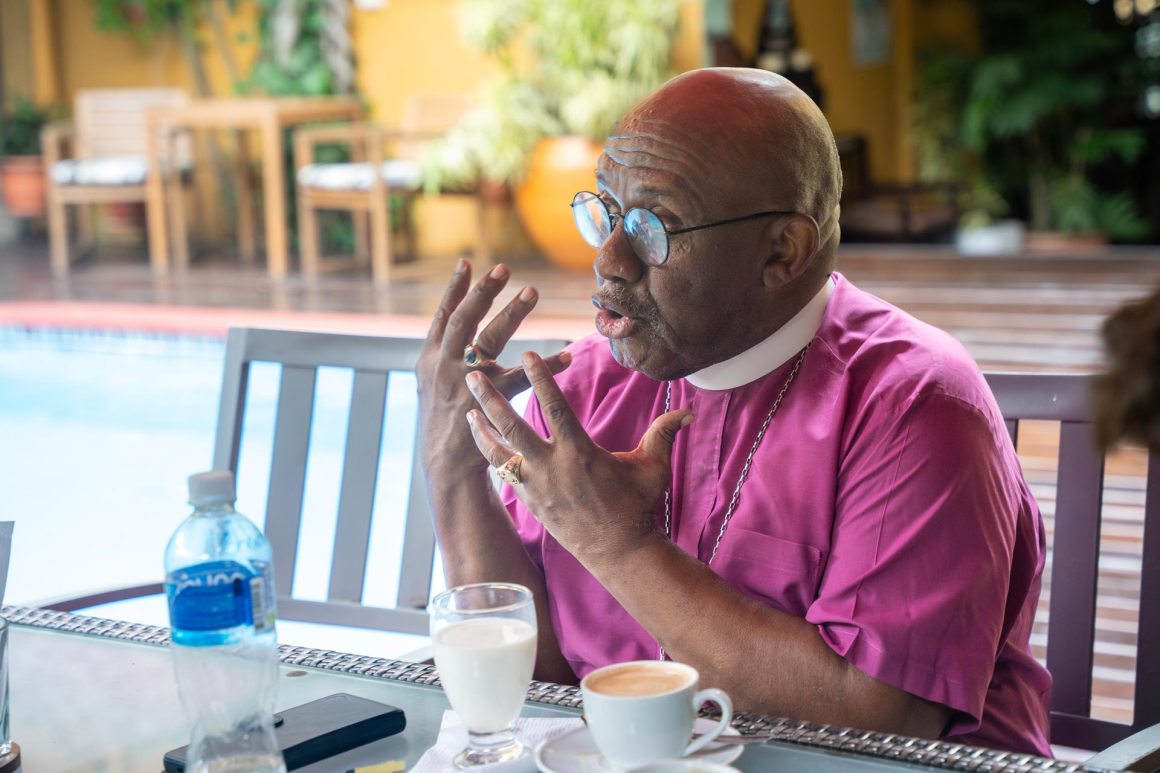
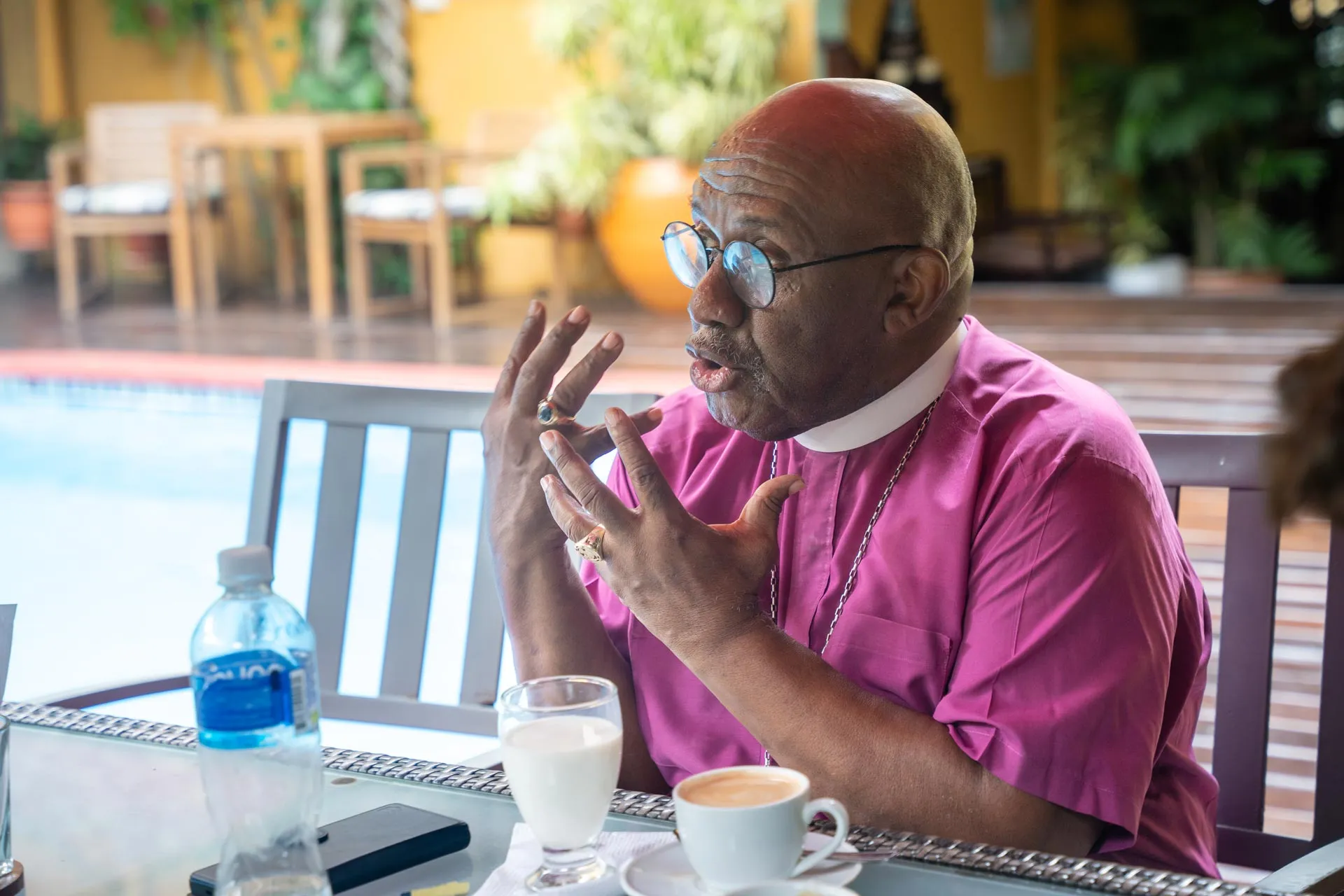
When we arrived, we met Bishop Lloyd Allen, the local leader and point person in San Pedro Sula. He began to set expectations for the trip and share the logistics of our day-to-day agenda throughout the trip.
Then came his heartfelt statement about Episcopalians, his own denomination:
“We have become more noted for our cultural positions than our stance for the gospel,” he admitted. “We’ve had several ‘years of evangelism’ where nothing happened. This year, we want to change that. That is why you are here.”
My head snapped up, wondering if I’d heard him correctly. His admission sparked a question in my heart. I began to think, this training has a real chance of making an ongoing, lasting impact here. Moreover, I conceded that we might experience more people sharing their faith in Him and more lives changed for Jesus.
As I saw the others take in Bishop Allen’s words and go out to share, I leaned toward hope. We denominational brothers and sisters weren’t so different after all. If they could embrace Bishop Allen’s message, so could I, and I could begin to lower my defenses.
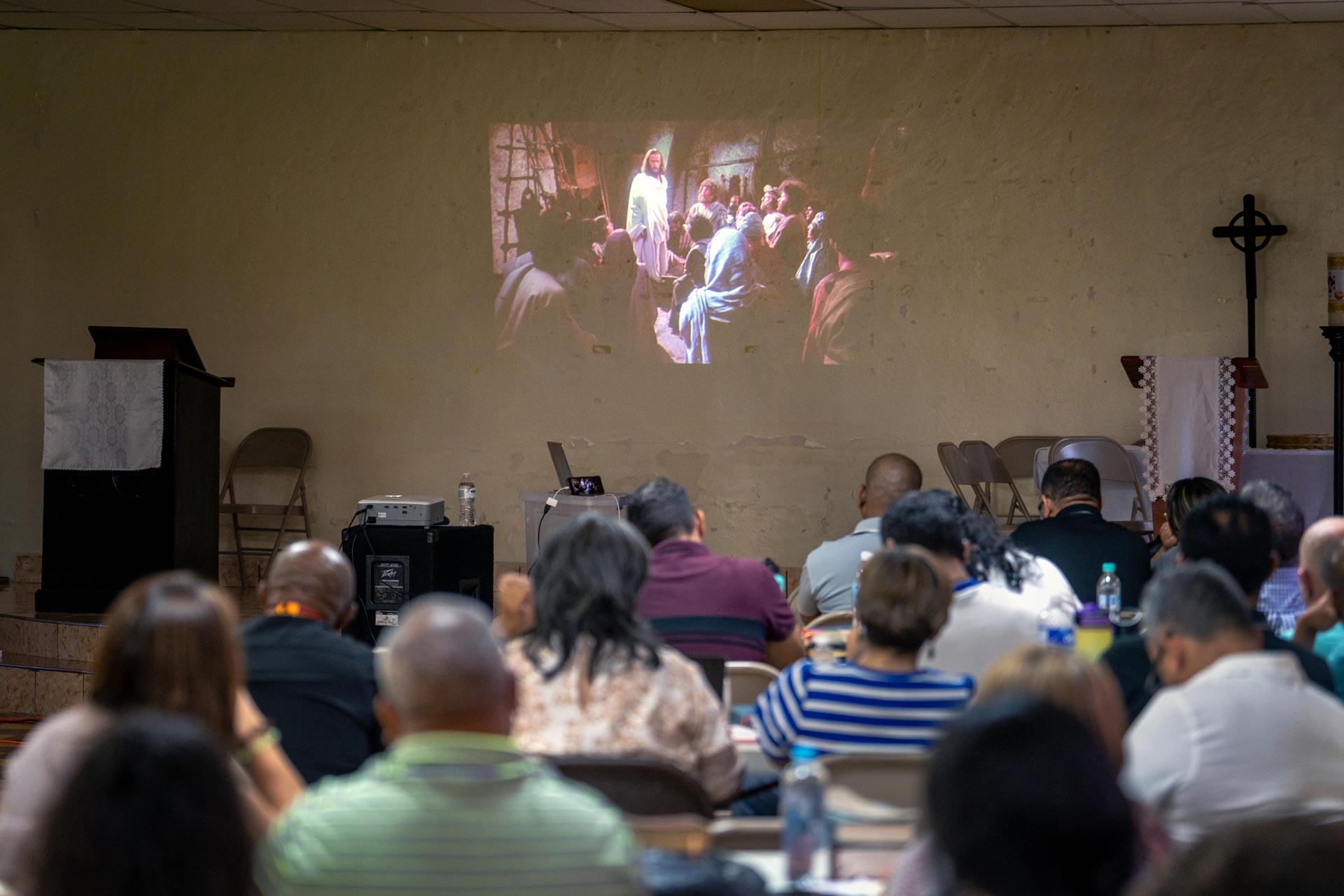
Honduras: Community Conversations
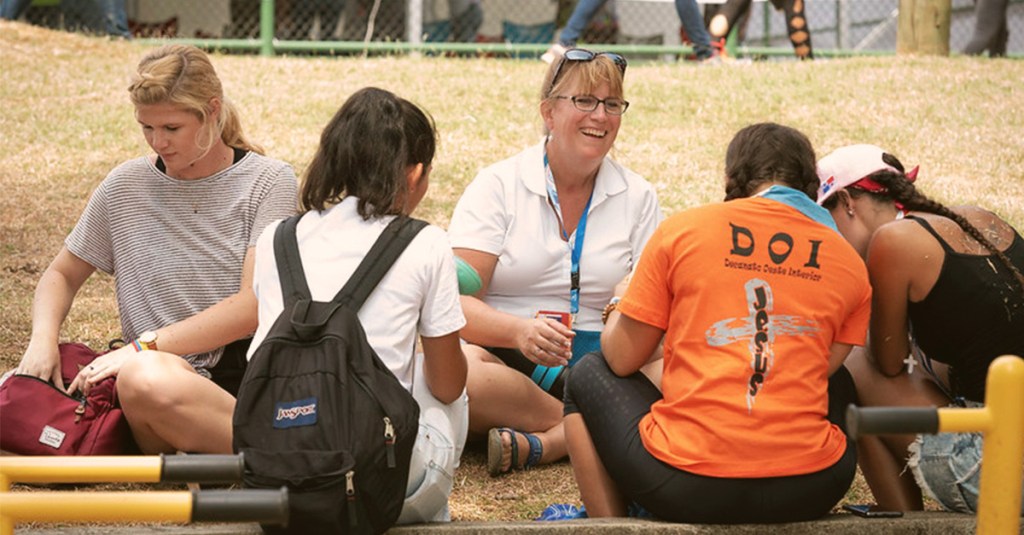
The rest of the week on that Honduras trip felt like a classic Campus Crusade for Christ® spring-break outreach, like the ones I participated in during my early years with Cru®. We’d get trained on how to share our faith and then immediately go out and put that training into practice as we talked with others about how to know Jesus.
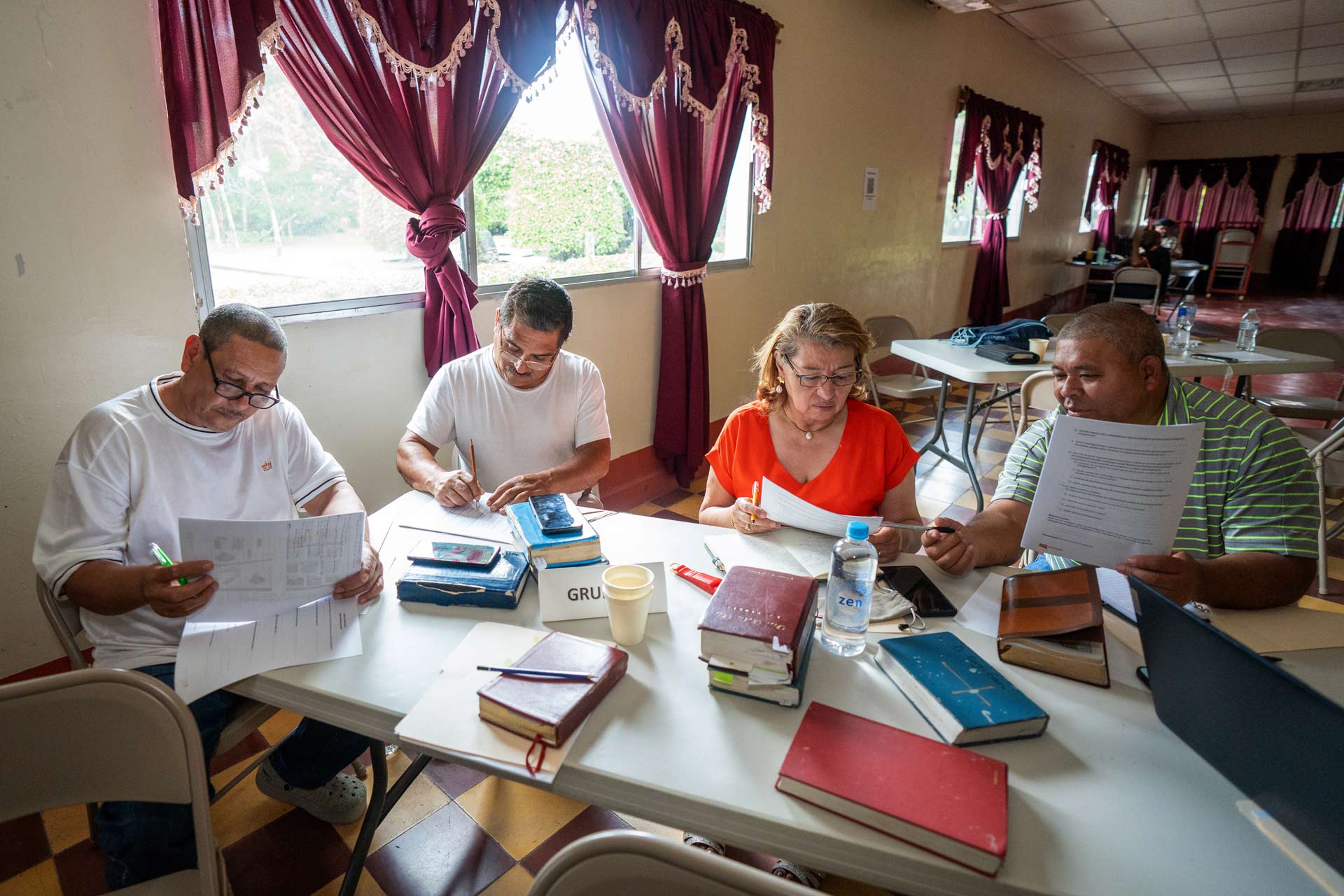
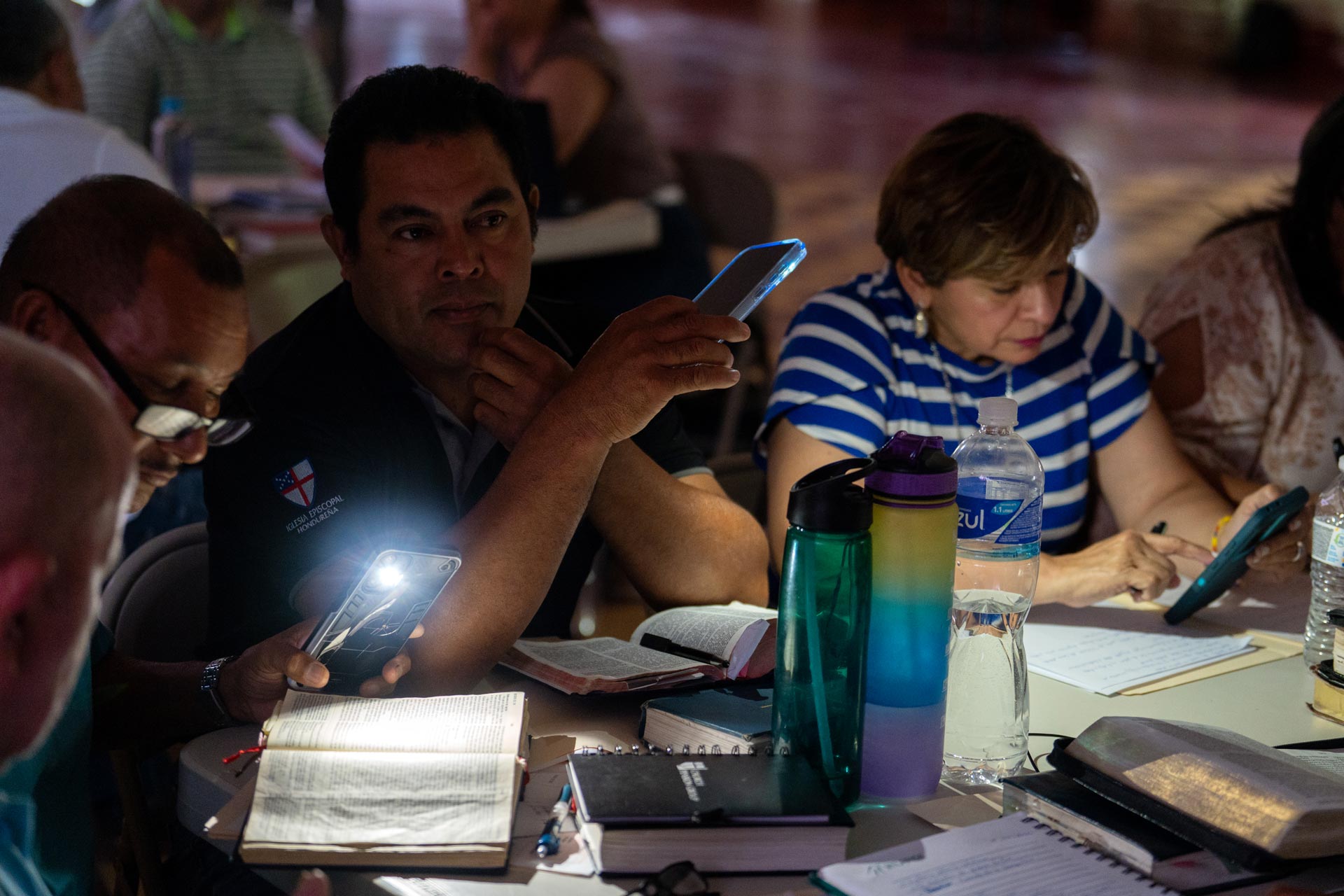
We conducted evangelism training. With the help of translators, each day was filled with a practical “how-to” in sharing your faith. Sessions continued even when the power went out.
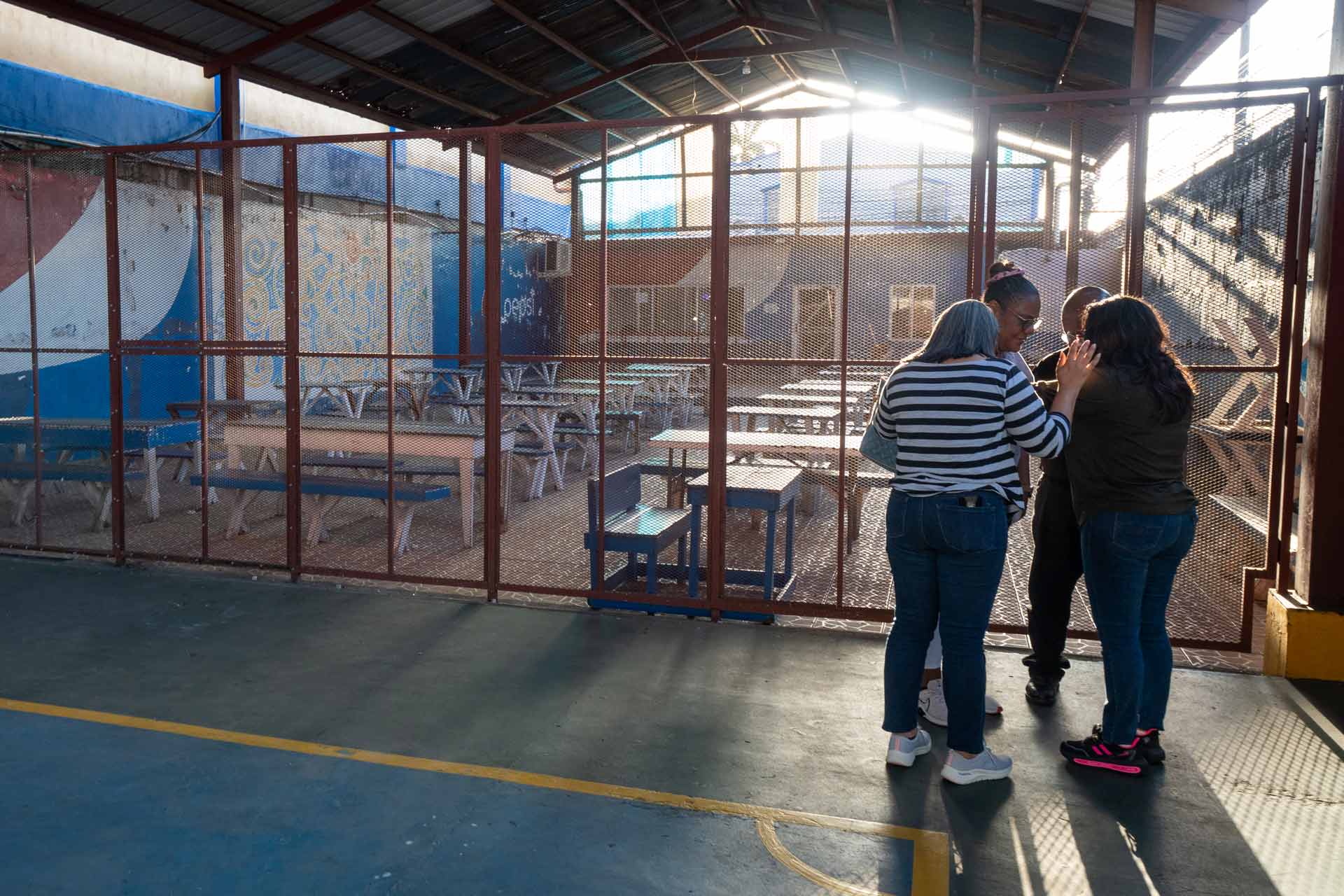
Near the coastal town of Omoa, we came alongside a veritable vestry of clergy and laypeople engaging in sharing Christ using the Jesus Film Project app and other Cru materials, like The Four and the GodTools® app.
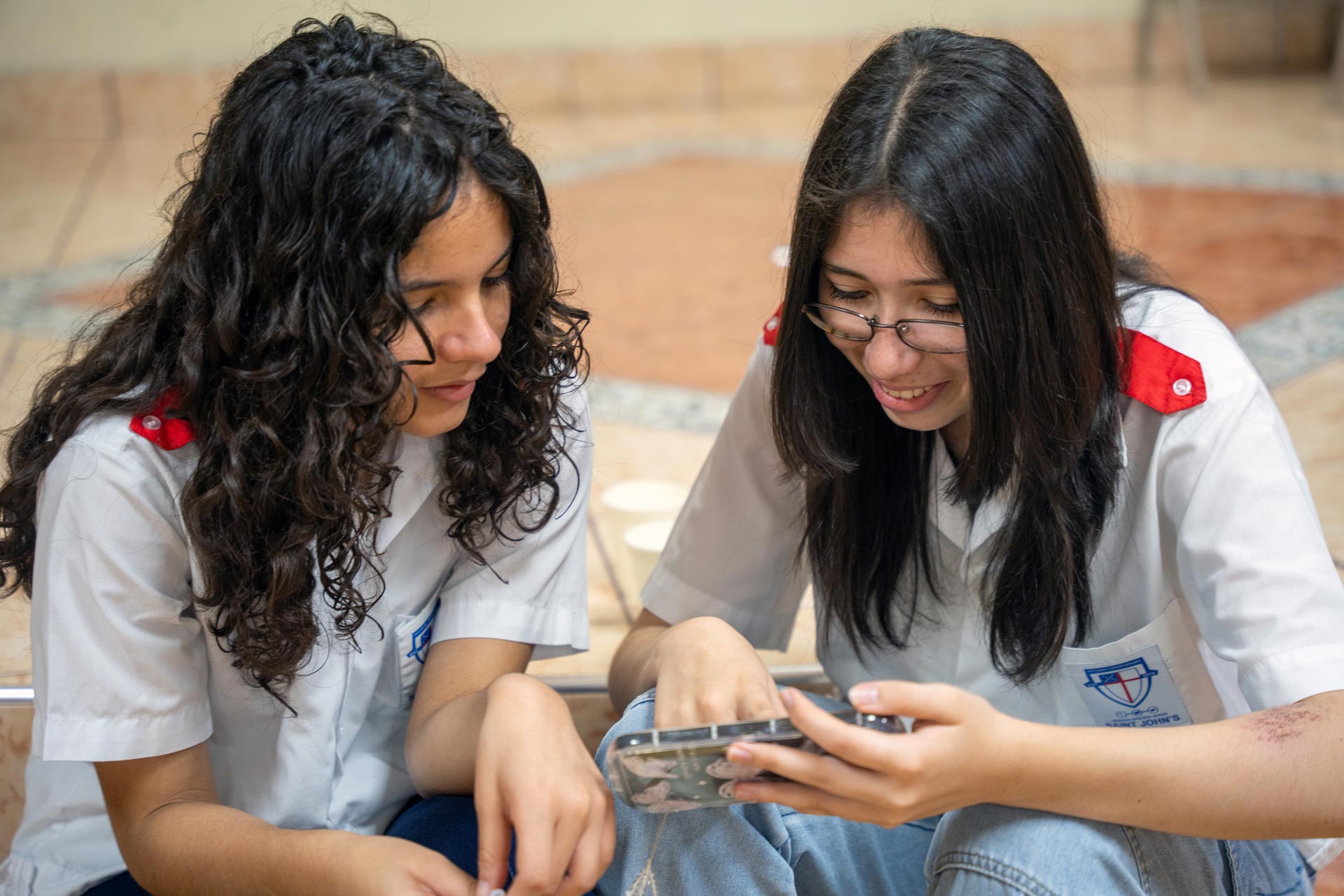
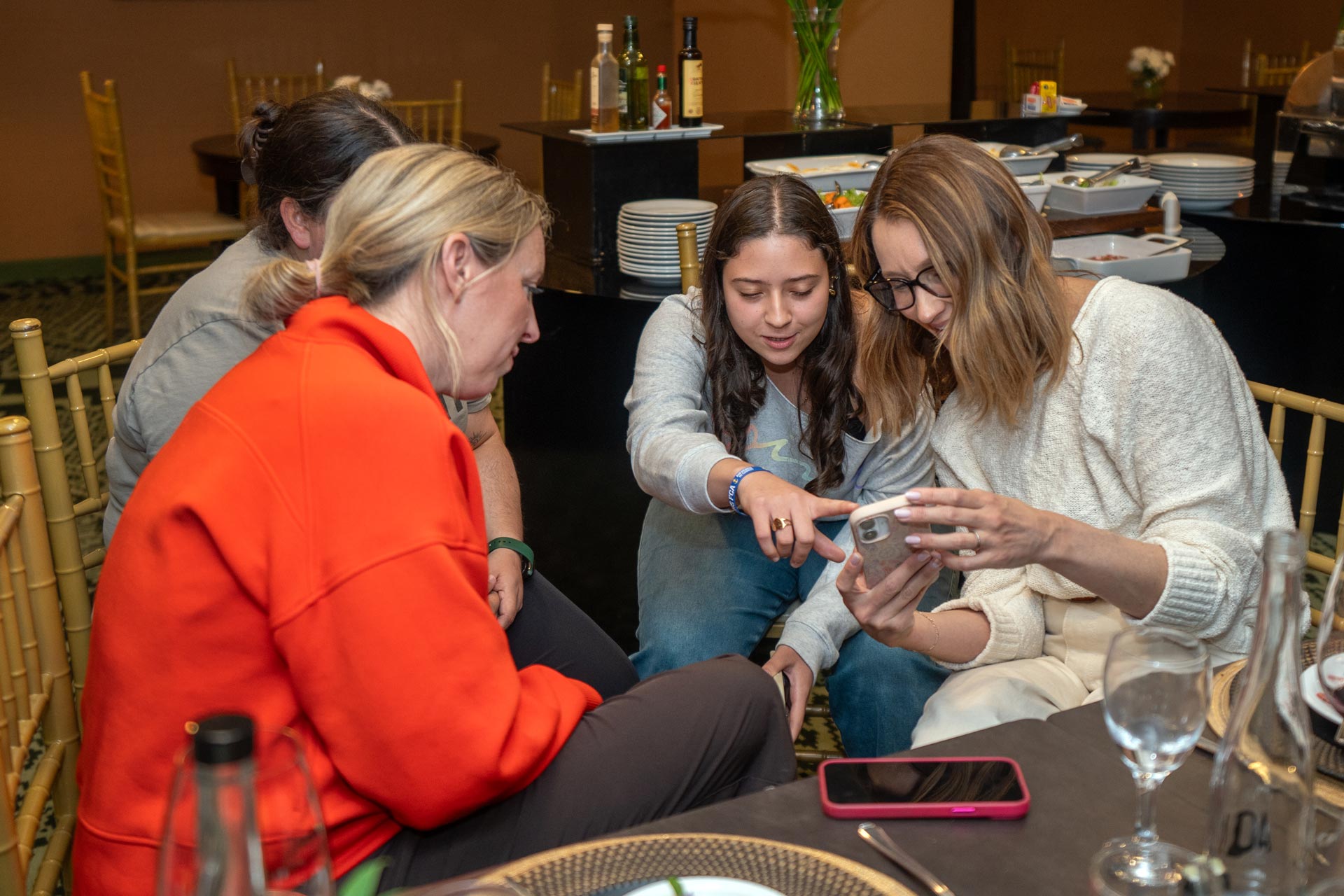
Then, that same day, we all went out into the community and enthusiastically approached everyone and anyone. Phones in hand, we opened the app, selected a short film and started gospel conversations.
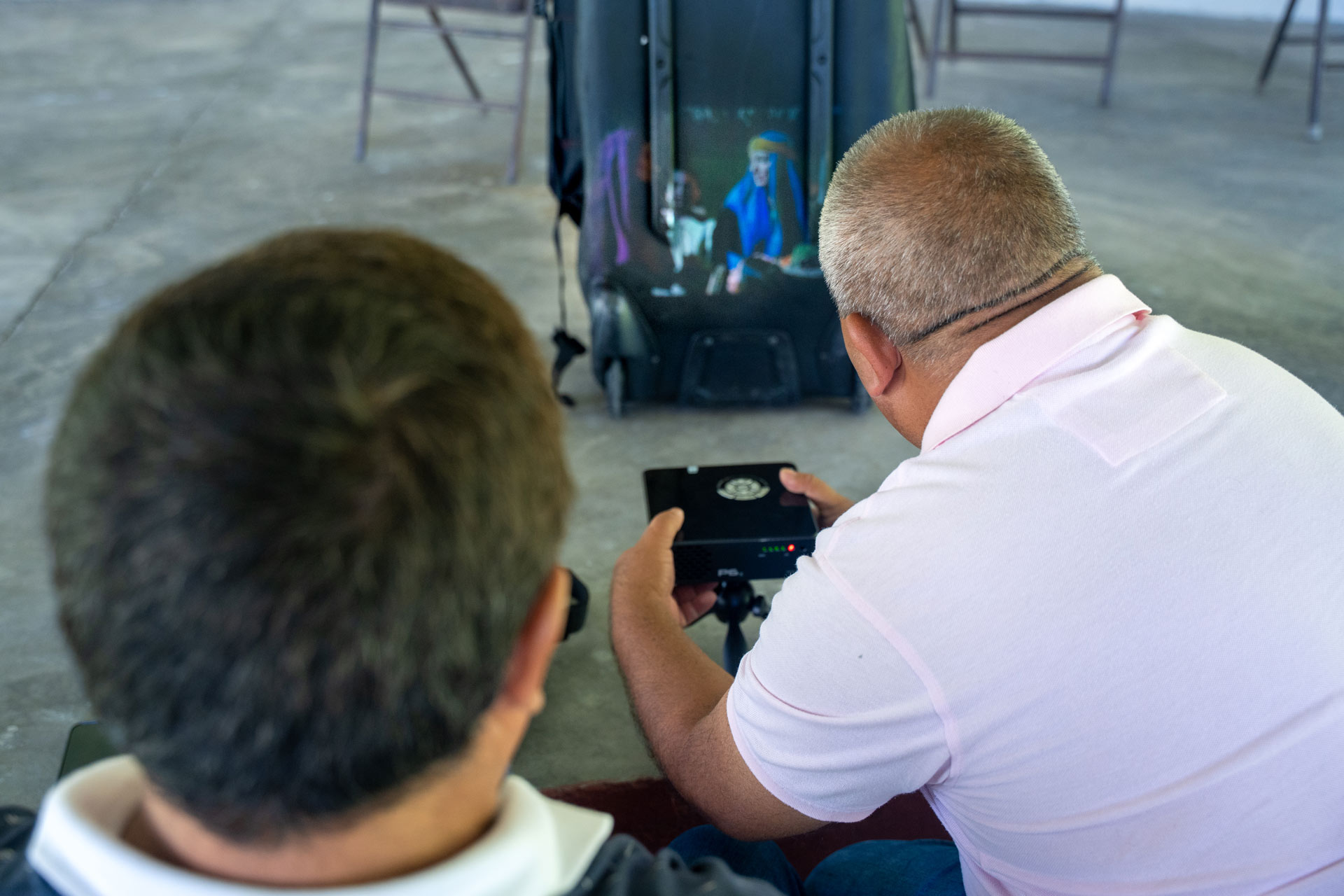
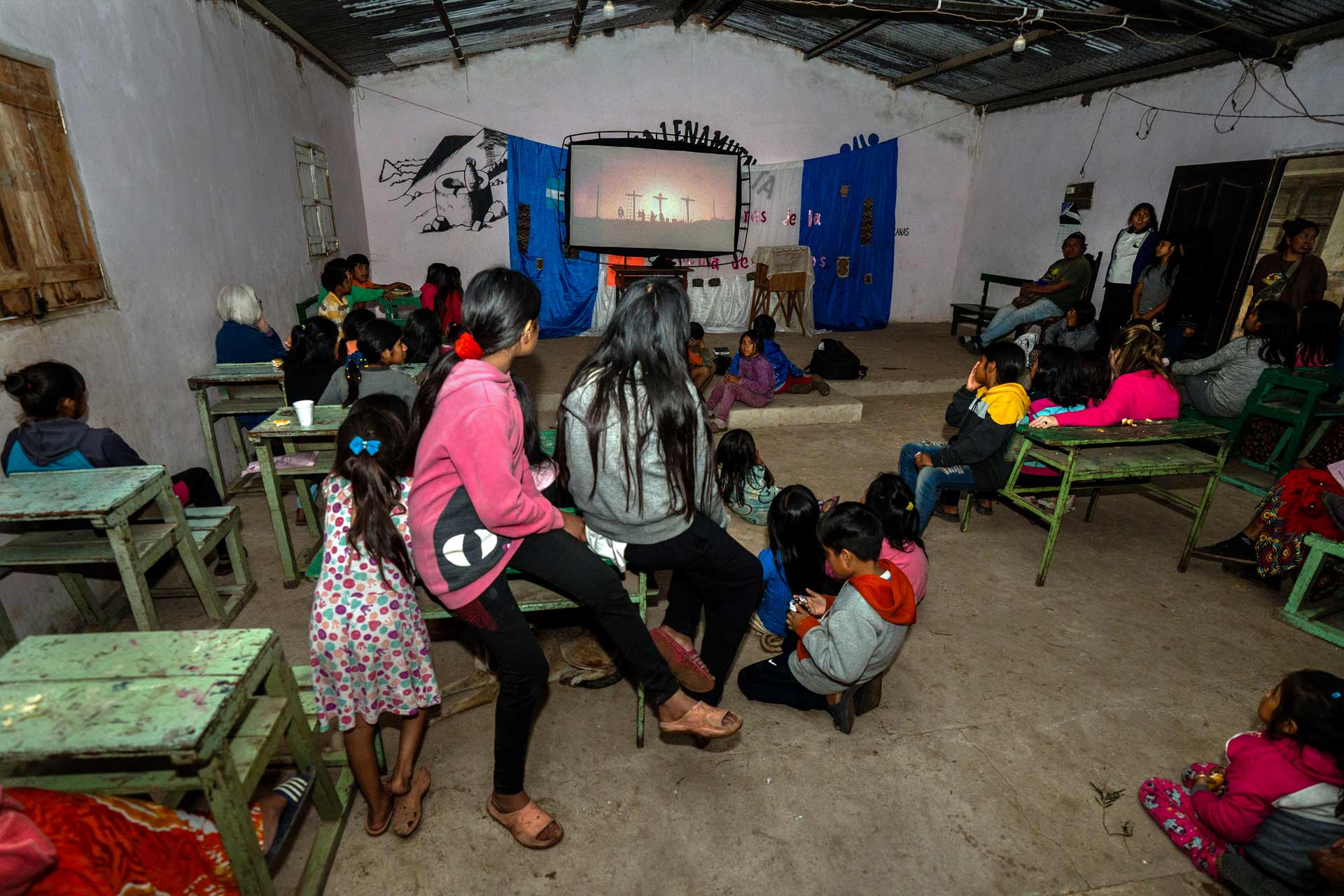
At night, up the coast in Puerto Cortés, they hosted a screening of Magdalena. The week wrapped up with our team assembling and demonstrating how to use portable Jesus Film Project equipment to take film showings into the country’s more remote areas.
I was delightfully caught off guard by the clergy’s genuine enthusiasm. It was better than I ever expected. I think both of my grandmothers would have been proud of my brief but encouraging return to our church roots.
All in all, more than 50 church leaders were trained and equipped to return to their communities to share Jesus using Cru and Jesus Film Project media and tools.
Here’s a quick video recap of what else we were able to witness God do in Honduras.
Argentina: Rest Stop Reconnection
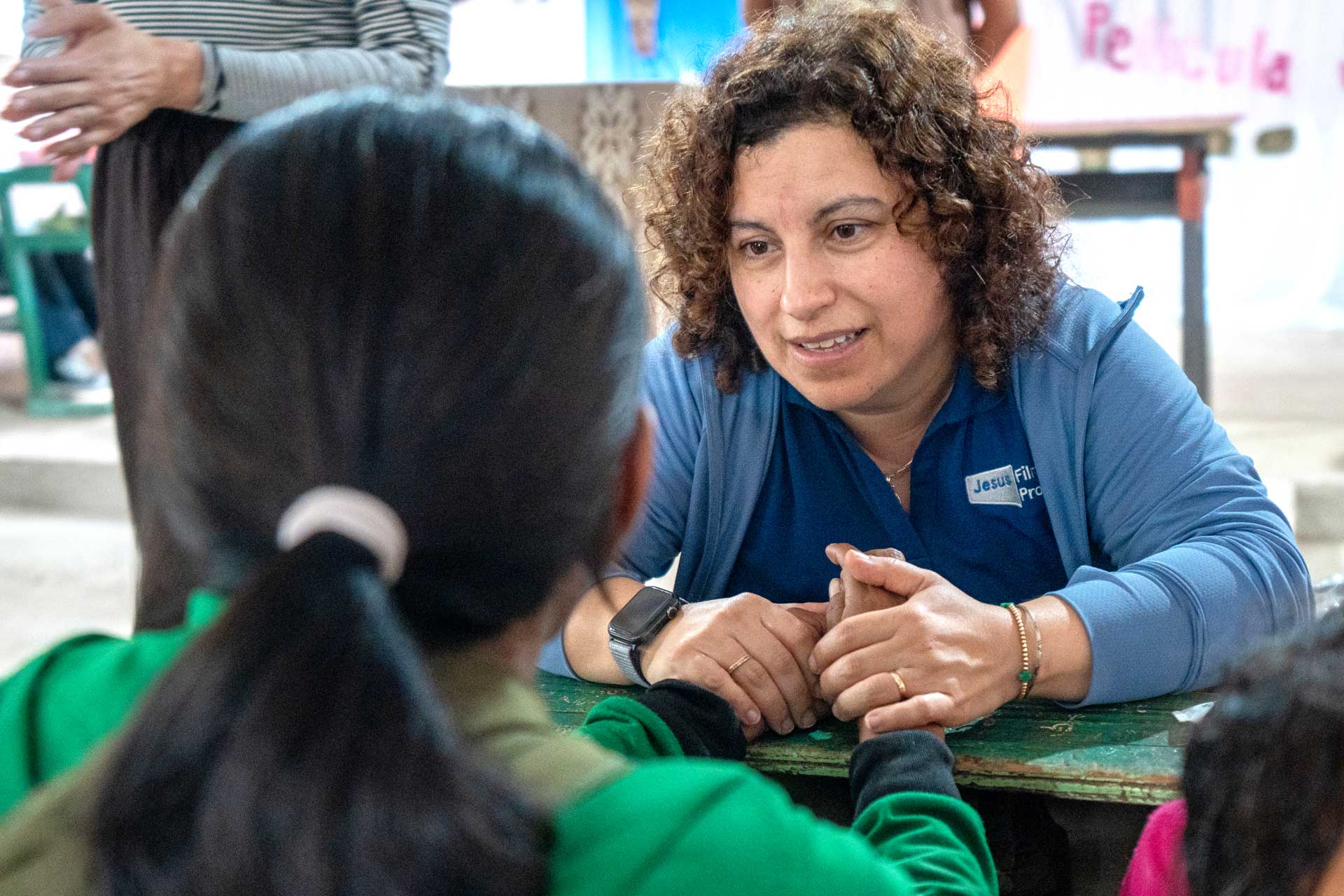
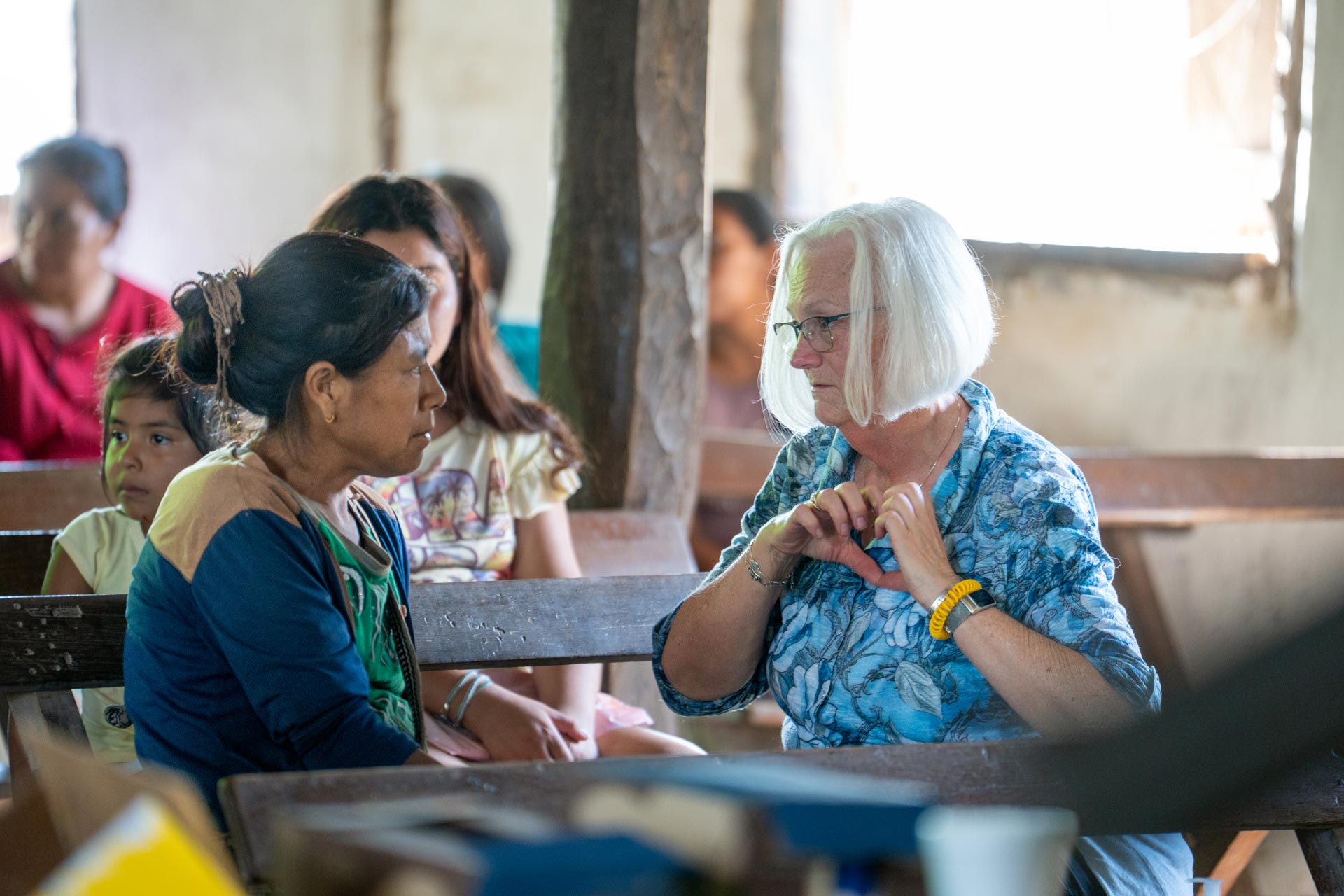
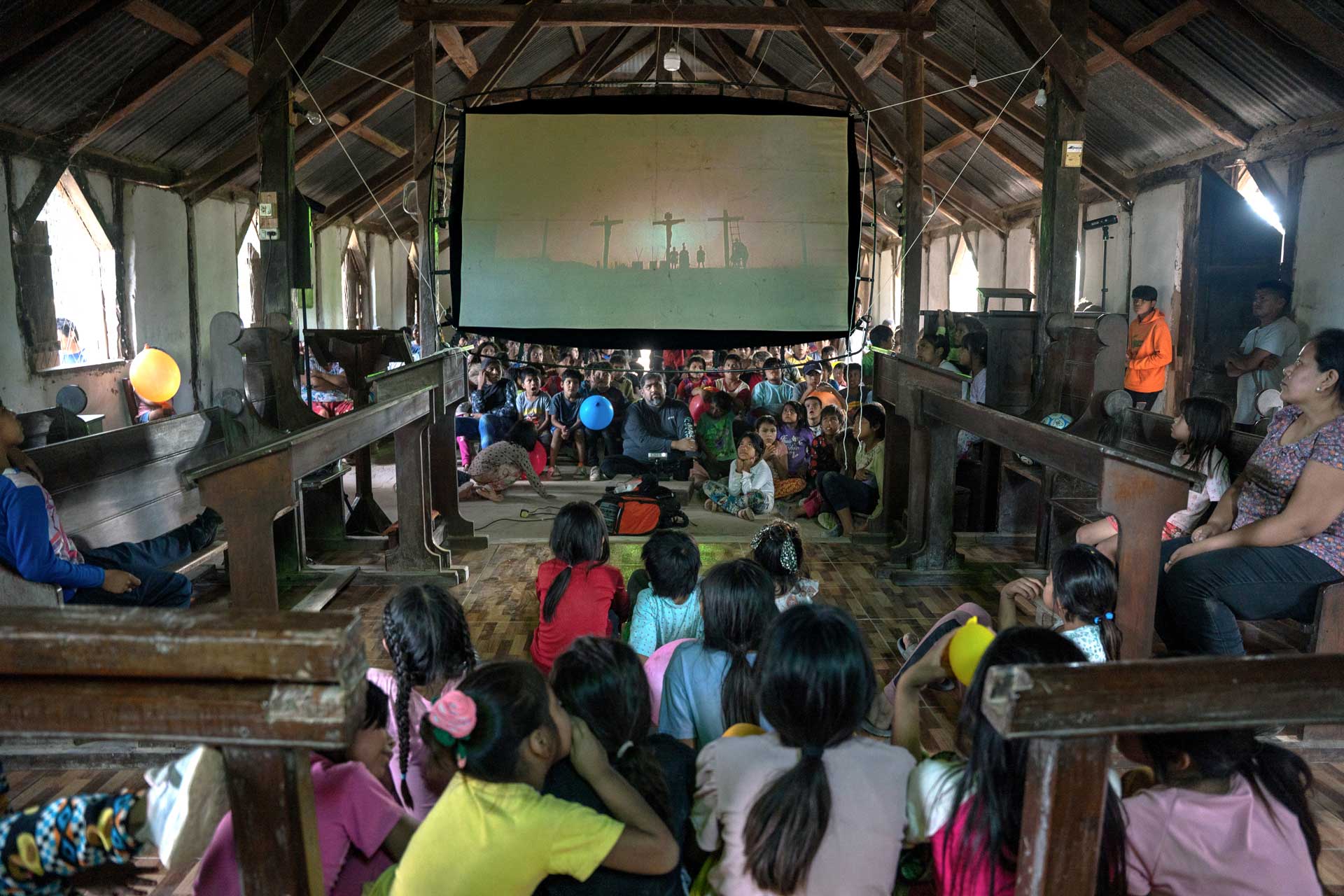
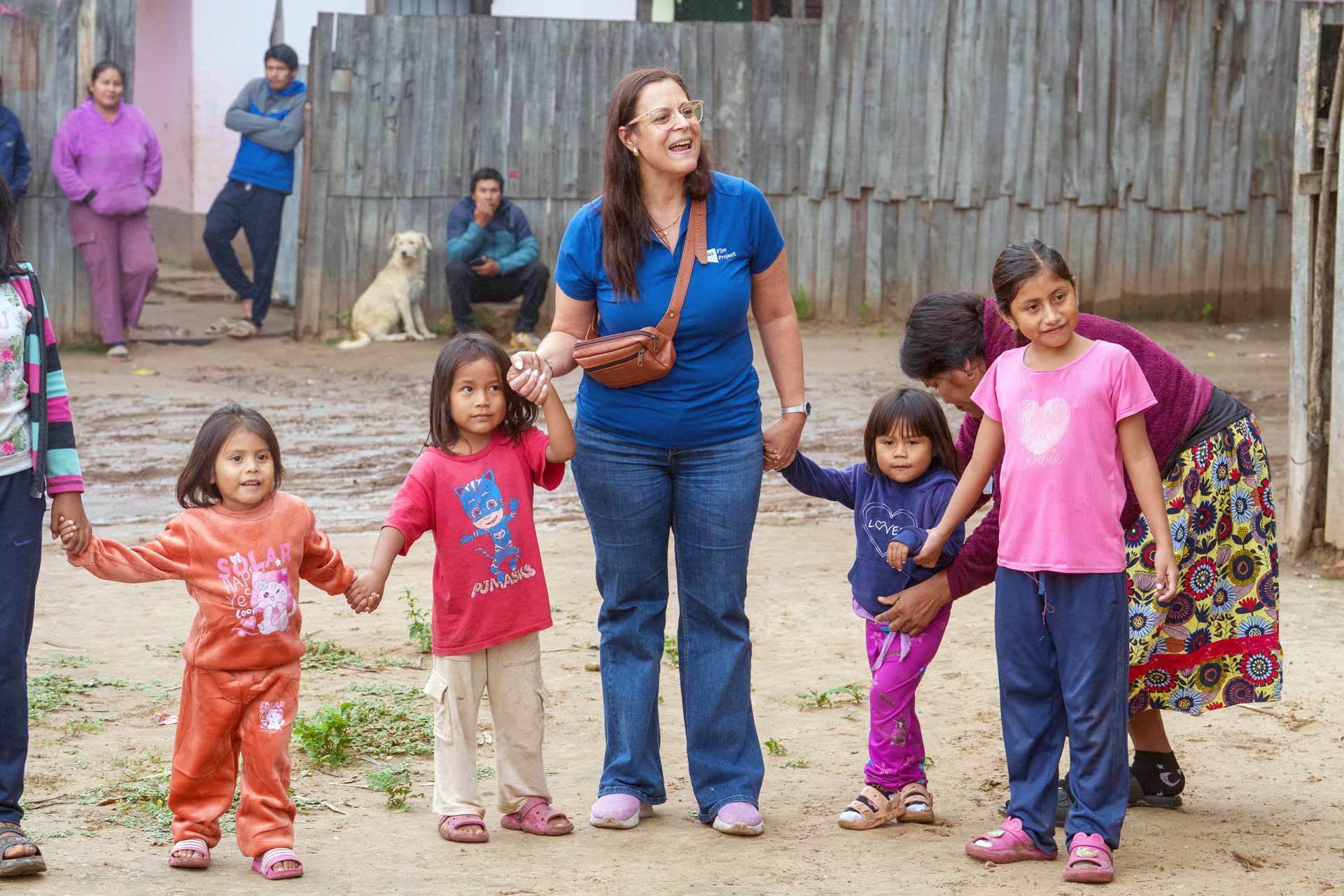
Following my Honduras trip, I traveled to Northern Argentina to partner with the Anglican church, which was reaching out to the Wichi people. Our three days on the ground were packed with film showings and outreach programs.
I reached the final day realizing I hadn’t had a single one-on-one gospel conversation. We can be so busy on mission trips that we have trouble slowing down to share Jesus with people personally. As we drove south, out of Tartagal, we stopped at a familiar gas station.
“Hey!” shouted the young man behind the pay booth. I had taken his photo on our way up, and he wanted a copy. Here was my opportunity.
For moments like these, I use a separate Instagram account. It’s a bridge to share photos and the gospel simultaneously. Despite the language barrier, we navigated the interaction with gestures and broken English.
I asked, “Can I show you an app?” and handed him a JESUS film app card. He downloaded it on the spot. I then showed him a minute-long short film. Time didn’t allow us to go too deep beyond a few broken phrases and encouragement to look into it further. We shared a warm goodbye, and I got back on the bus.
I’m praying God uses that quick connection with me in Marcos’ life.
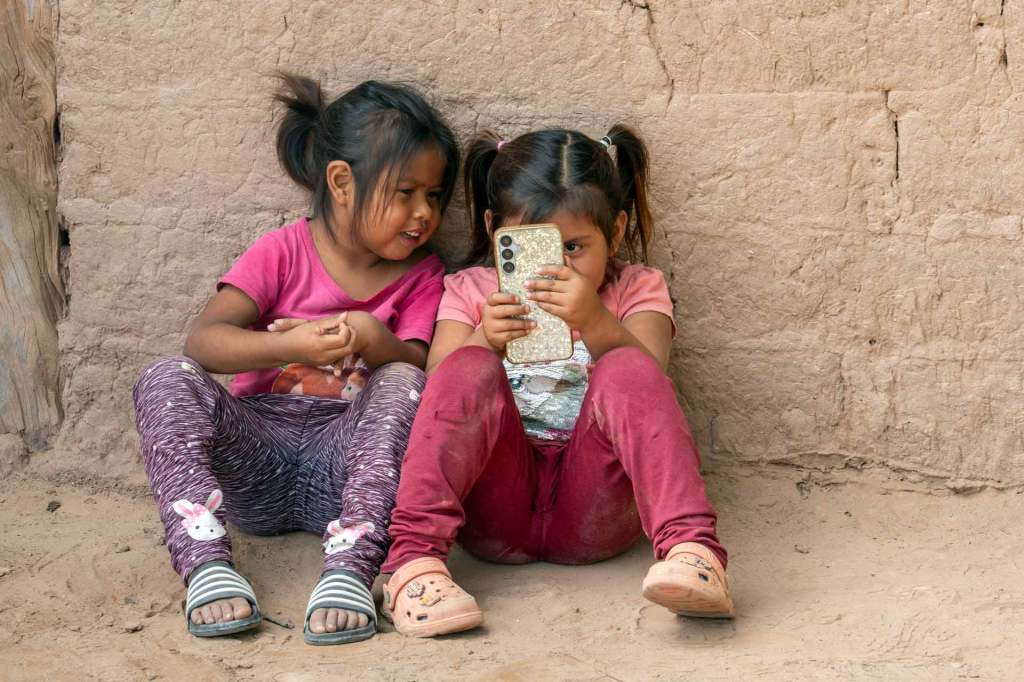
I encourage everyone to download the Jesus Film Project app. I often then show the 60-second film, (You’re Not) Hopeless. As a general rule, I follow up a few days later with online links for more information. It’s easy, effective and you never know where God will take the conversation.
Final Thoughts
Ultimately, these journeys in Honduras and Argentina felt like a personal homecoming to my Episcopal heritage. This time, it was fueled by a healthy dose of optimism. Across the border, I met Episcopalians and Anglicans whose lives were firmly anchored in the gospel and who displayed a genuine fire for evangelism.
Part of me wishes I had found this community three decades ago. Perhaps then, I could have shared a deeper dialogue with my father—one that might have shifted his view on the church, Jesus and what it truly means to follow Him.
Many times we go on mission trips with preconceived notions on everything from relationships and methods to results. God uses our plan as a foundation to take us down His road for His results. Rarely do mission trips go the way I think they will. This turns out to be an awkwardly good thing, because if I’m open to it, God has greater plans and purposes—far beyond whatever I can ever imagine.

About the Author