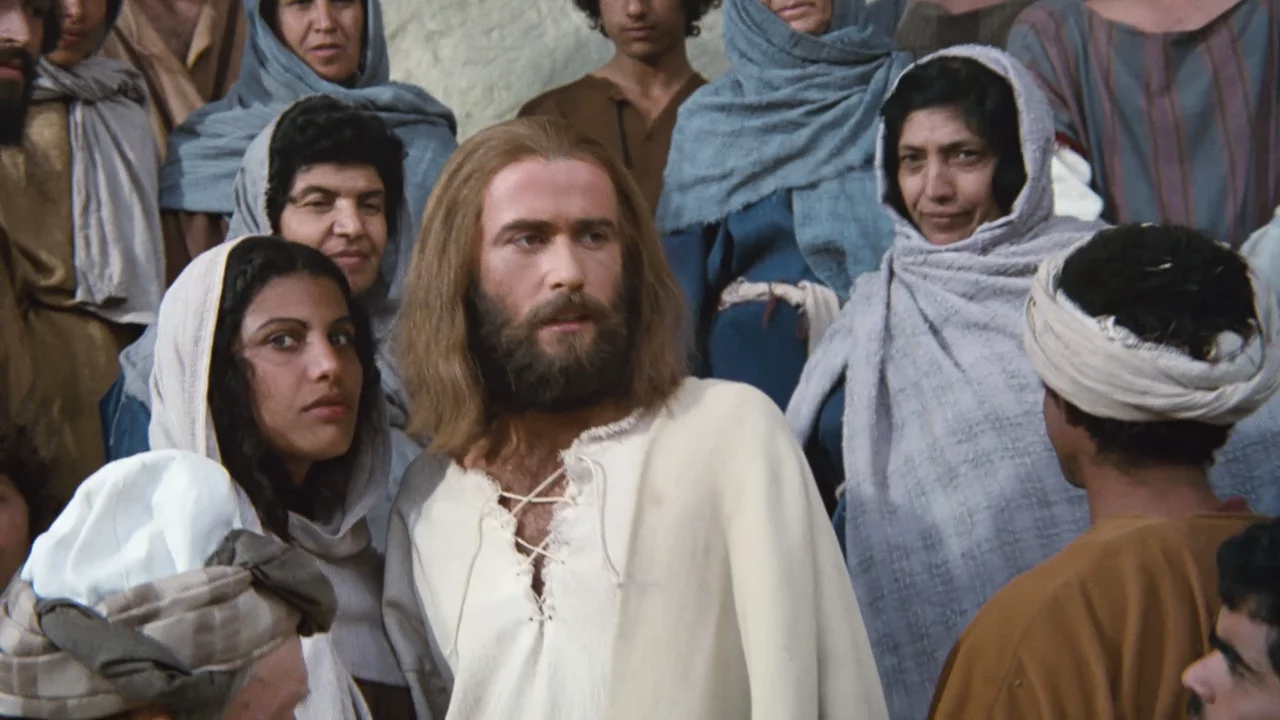
Parable of the Vineyard and Tenants
JESUS40 of 61Chapter 40 of 61


Parable of the Vineyard and Tenants
Jesus tells the story of a man who plants a vineyard. That man leases the vineyard to workers or tenants. Jesus shares the verse that the stone the builders rejected would become the most important one. He goes on to state that anyone who falls on that stone will be broken. And if that stone falls on anyone, it will crush that person.
QuestionsRelated Questions
Ask yoursBible Quotes
ShareThen He proceeded to tell the people this parable: “A man planted a vineyard, rented it out to some tenants, and went away for a long time. At harvest time, he sent a servant to the tenants to collect his share of the fruit of the vineyard. But the tenants beat the servant and sent him away empty-handed. So he sent another servant, but they beat him and treated him shamefully, sending him away empty-handed. Then he sent a third, but they wounded him and threw him out. ‘What shall I do?’ asked the owner of the vineyard. ‘I will send my beloved son. Perhaps they will respect him.’ But when the tenants saw the son, they discussed it among themselves and said, ‘This is the heir. Let us kill him, and the inheritance will be ours.’ So they threw him out of the vineyard and killed him. What then will the owner of the vineyard do to them? He will come and kill those tenants and give the vineyard to others.” And when the people heard this, they said, “May such a thing never happen!” But Jesus looked directly at them and said, “Then what is the meaning of that which is written: ‘The stone the builders rejected has become the cornerstone’? Everyone who falls on this stone will be broken to pieces, but he on whom it falls will be crushed.”
Berean Standard Bible
Public Domain
Read more...
